
On April 21, 2025, Mukuru Tabasamu Cafe held its first session on mental health and climate change under the project Race to Resilience. The interplay between climate change and mental health underscores the importance of normalizing conversations around mental health issues caused by the effects of climate change.
The session, being the first of its kind to be held in Mukuru kwa Njenga Slums, displayed a mixed mood inside the room. Attendees appeared anxious, nervous, and tense, but also hopeful, expectant, and joyful. Expectations, as observed before and during the session, were very high. The turnout was overwhelming. Different dynamics in terms of age, gender, educational and professional backgrounds, and social status were well captured.
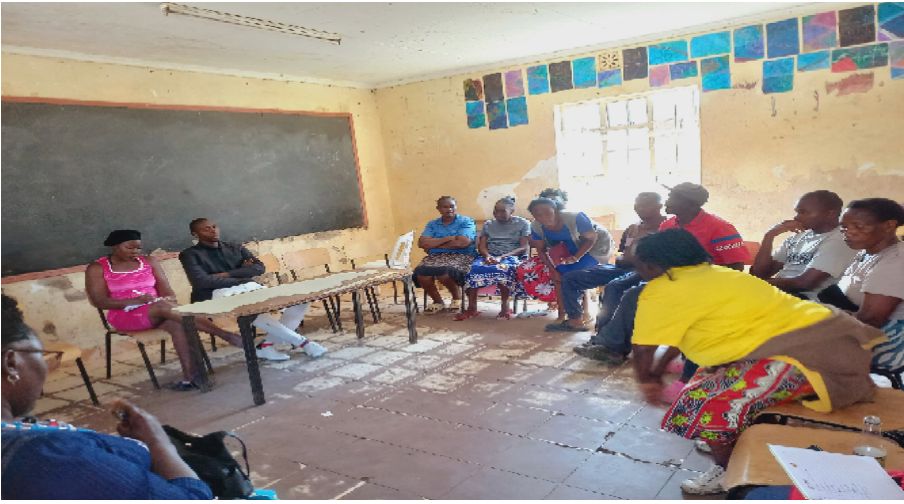
Evidently, all of us, at some point in life, in one way or another, will experience a mental health issue. Having frequent mental health sessions is imperative as they offer a space and platform where people can come together to discuss, share, demystify myths around mental health, and find solutions to some of their challenges.
At the beginning of the session, the words “mental health” and “climate change” appeared to be too hard to understand, and somewhat 'foreign' to the attendees. A few minutes after the start of the session, guided by the facilitators, they slowly began to understand the words, their meanings, and the context. The conversations changed and became lively. Attendees started to feel more confident, free, and willing to share their stories and experiences about mental health.
One story that became of particular interest to me was that of an elderly man who shared his experience during the floods that struck the country last year. His house was swept away, and very few of his belongings were rescued. You could see the pain and despair on his face as he struggled to remember all the details of those events. However, he also recounted how the community came through for him, saved some of his belongings, helped him secure another house, and eventually returned to his normal life. Such actions by the community were profound and inspiring for me. They demonstrated how a community can share love and care for its members when affected by problems arising from the effects of climate change.
The feedback from the attendees about the session was refreshing and reassuring. They noted that such sessions, as they continue to be cultivated, are going to create a safe space for them to be heard, listened to, thrive, connect, feel empowered, and find purpose in life. It is no doubt that, with time, this space will inspire a community of proactive mental health champions and ambassadors.

It is a fact that mental health has now become a major concern and challenge all over the world. It needs to be treated as a top priority, with the right attention and urgency it deserves. In addition, creating safe spaces for people to come, learn, and share their mental health stories and experiences, as advanced and advocated by Tabasamu Cafe, will surely be a game changer.
Other supporting organizations such as Basic Needs, Basic Rights, and SDI-Kenya are crucial in helping to combat mental health illnesses, especially within informal settlements. Their commitment and inputs cannot go unnoticed. Team-building activities for TOTs, as organized recently by them at the Nairobi Arboretum, offer the TOTs a space and time of their own to “vent,” recharge, and take care of their mental well-being. Such activities are much welcomed and commendable.
Thumbs up to these three amazing organizations, Tabasamu Cafe, Basic Needs, Basic Rights, and SDI-Kenya, for choosing to be at the forefront and becoming a beacon of hope for people with mental health challenges. A healthy mind translates into a more productive society!


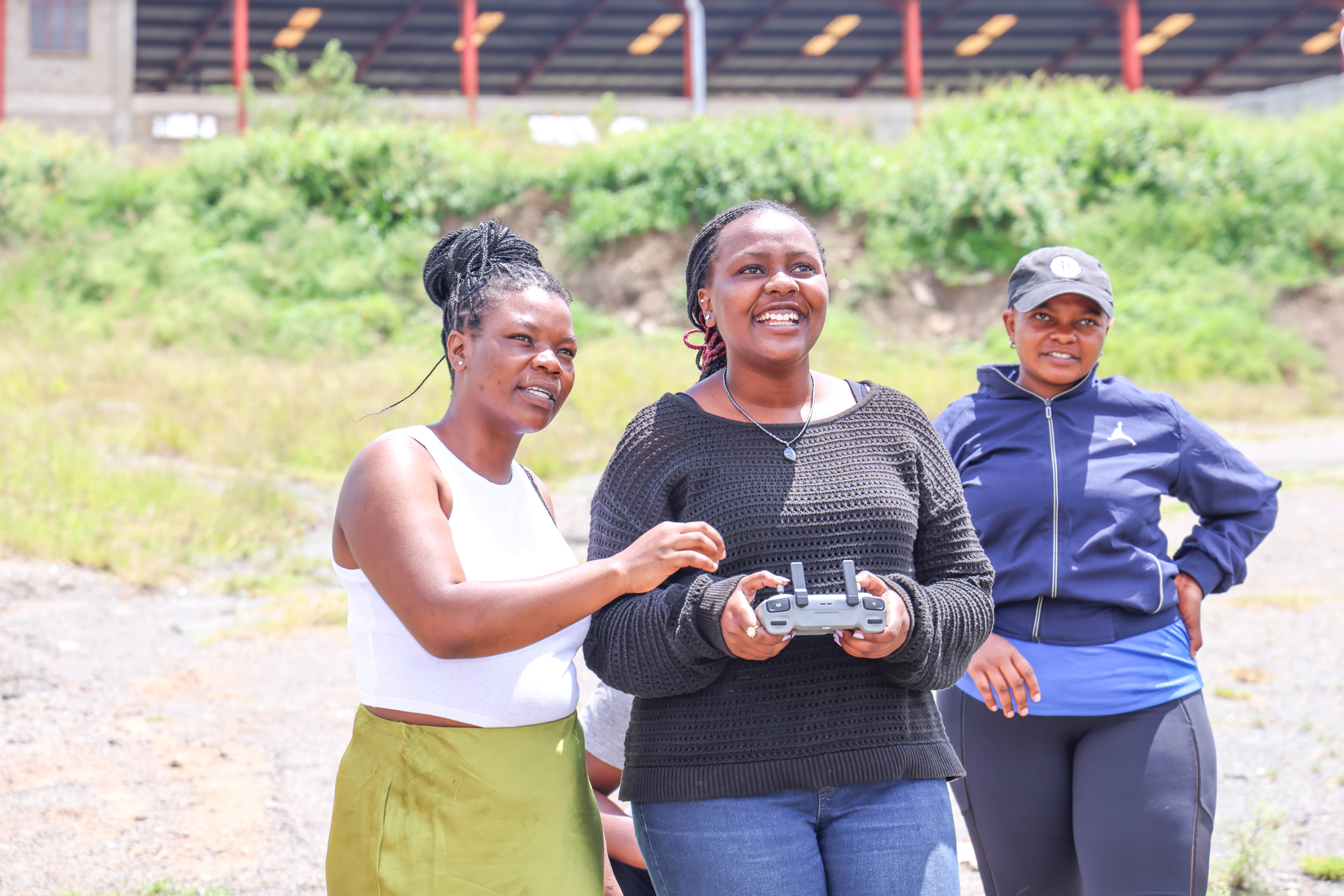
What happens when young people map their own communities? In Mathare, it means more than better data, it means new skills, new confidence, and new pathways into work. This story traces how community-led data is evolving into a tool not just for advocacy, but for livelihoods.

In this piece, Jacob Omondi, Jackline Waithaka, and Jane Wairutu discuss the profound impact of COVID-19 on youth in informal settlements like Mathare, Nairobi. The pandemic has exacerbated job losses and financial instability, particularly affecting those in the informal economic sector, where many young people rely on daily earnings from their businesses.

In Loitoktok, Kajiado County, a women’s group is transforming lives through resilience and innovation. With support from the Next Level Grant Facility under Voices for Just Climate Action, they’ve expanded urban farming and beekeeping, proving the power of collective action in climate adaptation and economic empowerment.
Join our newsletter to stay up to date on news and projects.
By subscribing you agree to our privacy policy and provide consent to receive updates from our organization.
.svg)


