

At SDI Kenya, we believe that the voices of those closest to the challenges of urban slum living are essential to shaping inclusive cities. This blog serves as a platform where staff, community members, and partners collaborate to share diverse perspectives — covering pressing issues, showcasing transformative initiatives, and highlighting innovative research that drives our mission.
From grassroots-led solutions to climate resilience to the power of data in advocacy, our posts reflect the lived experiences, expertise, and collective efforts shaping a brighter future for Kenya’s urban communities. Dive in to explore the stories that inspire action and amplify the voices of change-makers on the ground.
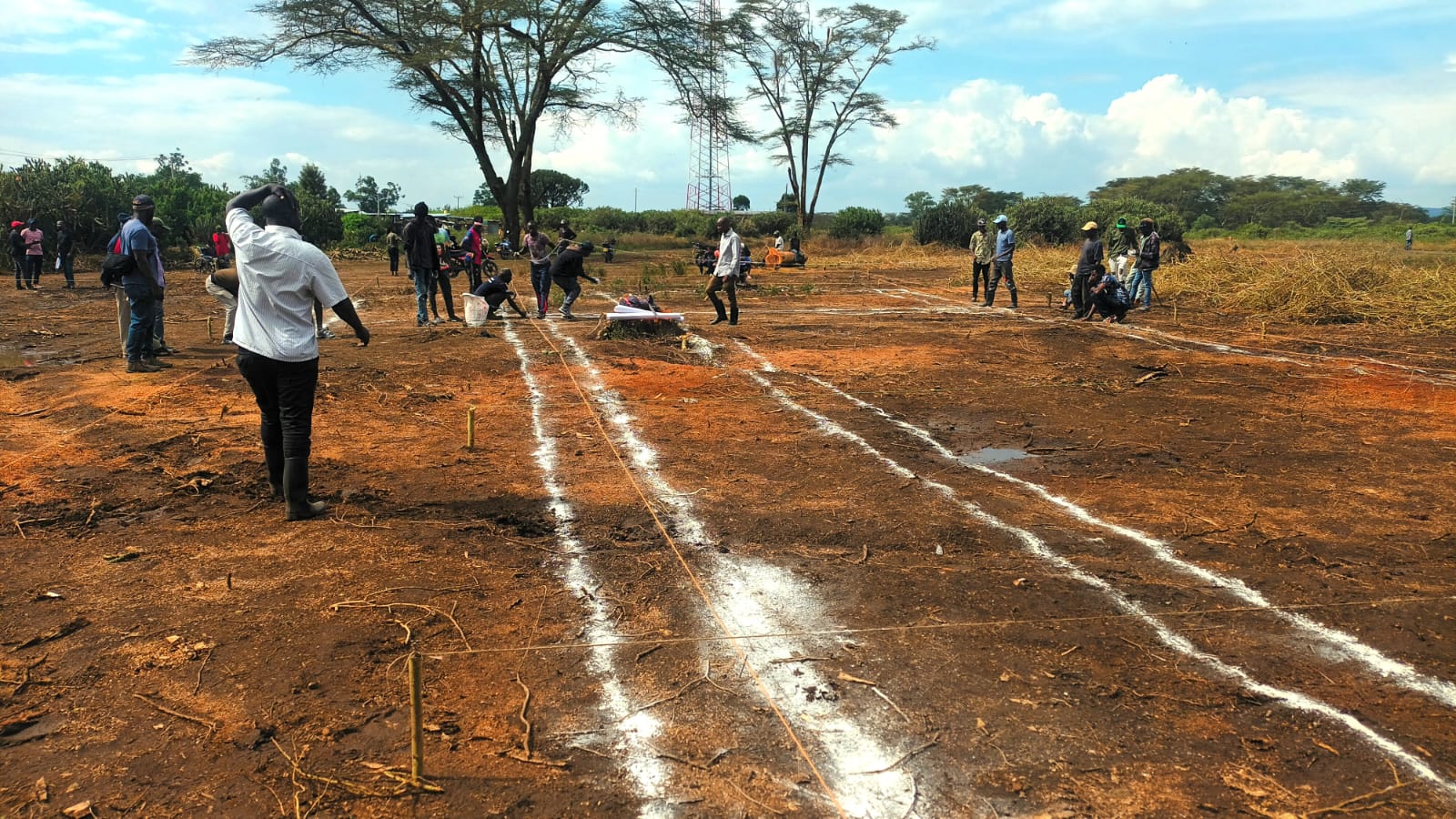
In Naivasha, the community-led KCC Safe Space Project, supported by Shack Dwellers International Kenya and Muungano wa Wanavijiji, will provide healthcare, sanitation, youth and women’s facilities, and flood-response support.
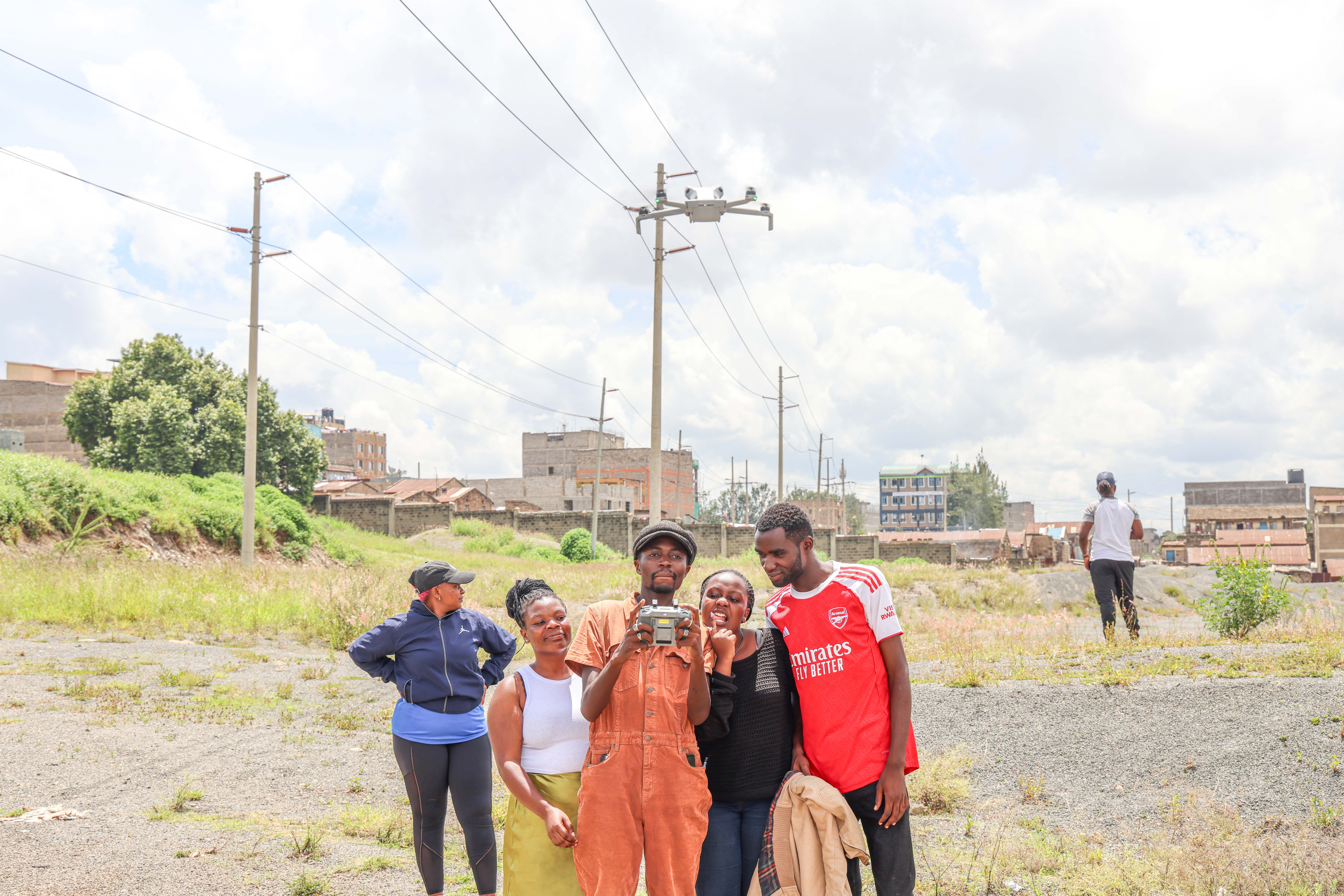
Youth changemakers are utilizing drone mapping, media storytelling, and value chain analysis to transform community data into economic opportunities. Read how Anne Wairimu, Anne Wambui, and Kamila Gojobe are driving local solutions.
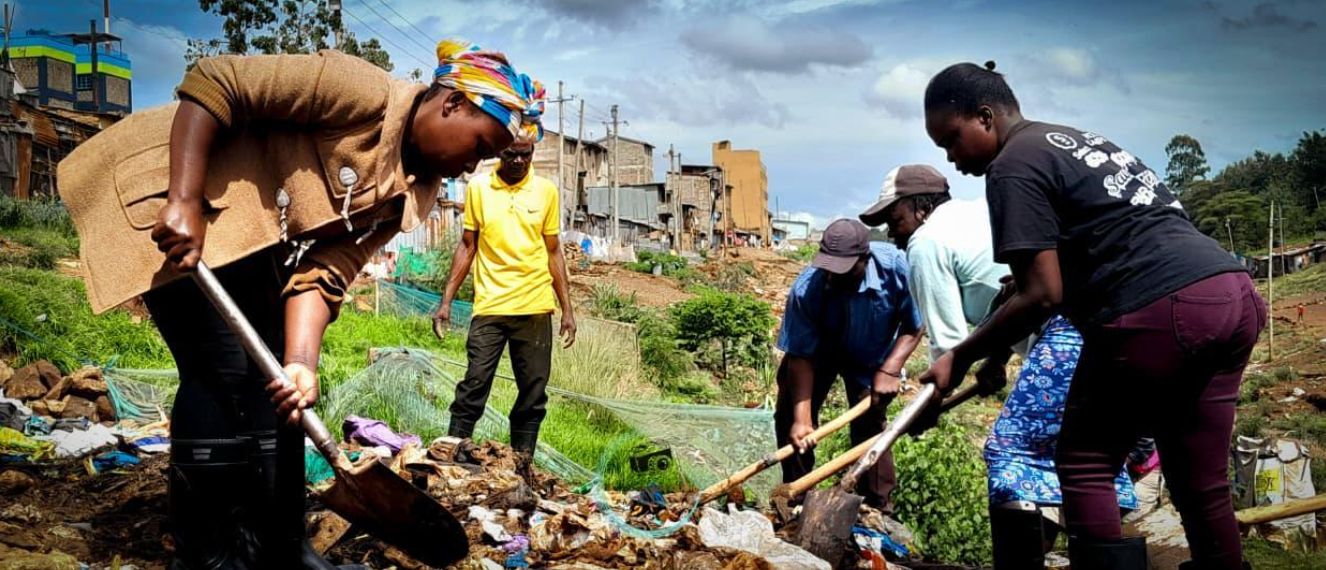
Community-led research reveals Mathare’s waste management challenges, highlighting gaps in formal services, the critical role of youth-led waste groups, and the health risks residents face. The findings also spotlight community-driven solutions, recycling, and circular economy opportunities.
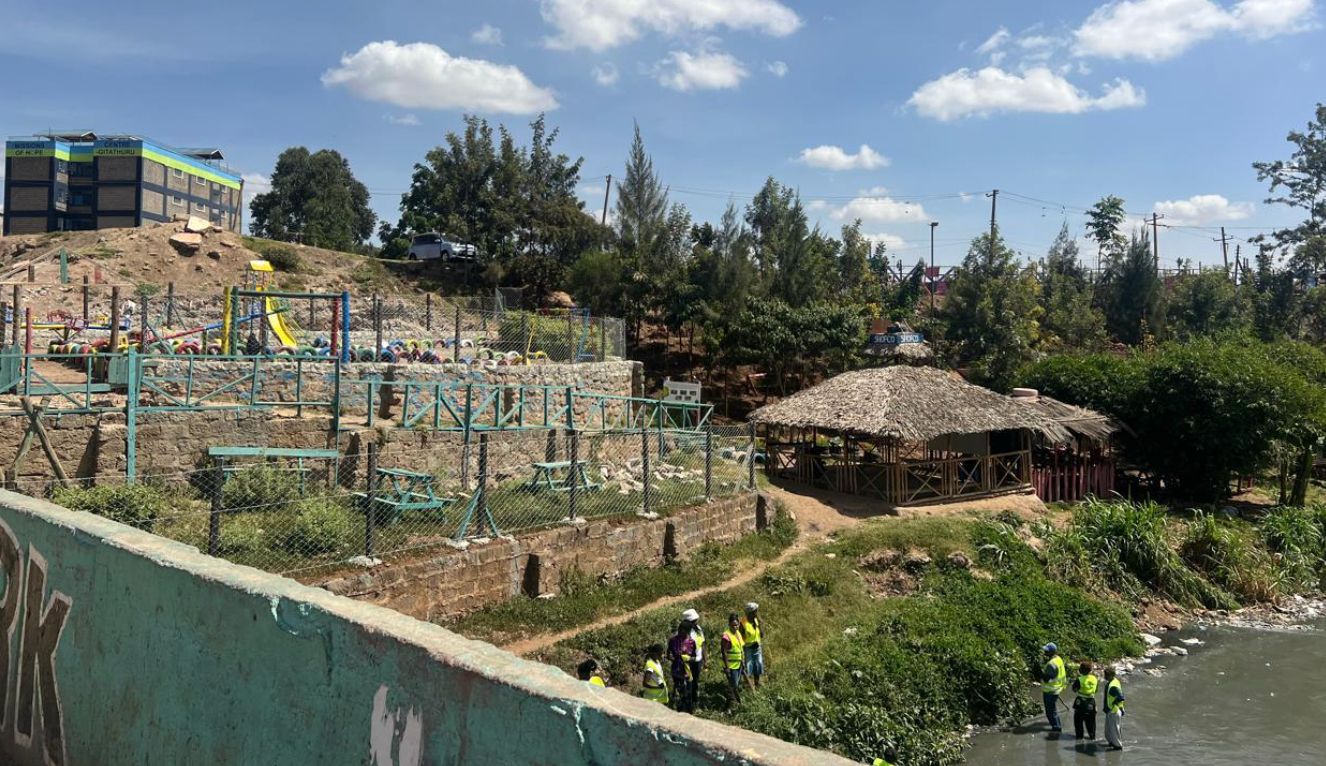
Mathare residents are using community knowledge and collective action to understand, protect, and transform public spaces. From reclaimed dumpsites to green parks and urban farms, local initiatives show how inclusive, community-led approaches can strengthen safety, resilience, livelihoods, and social cohesion
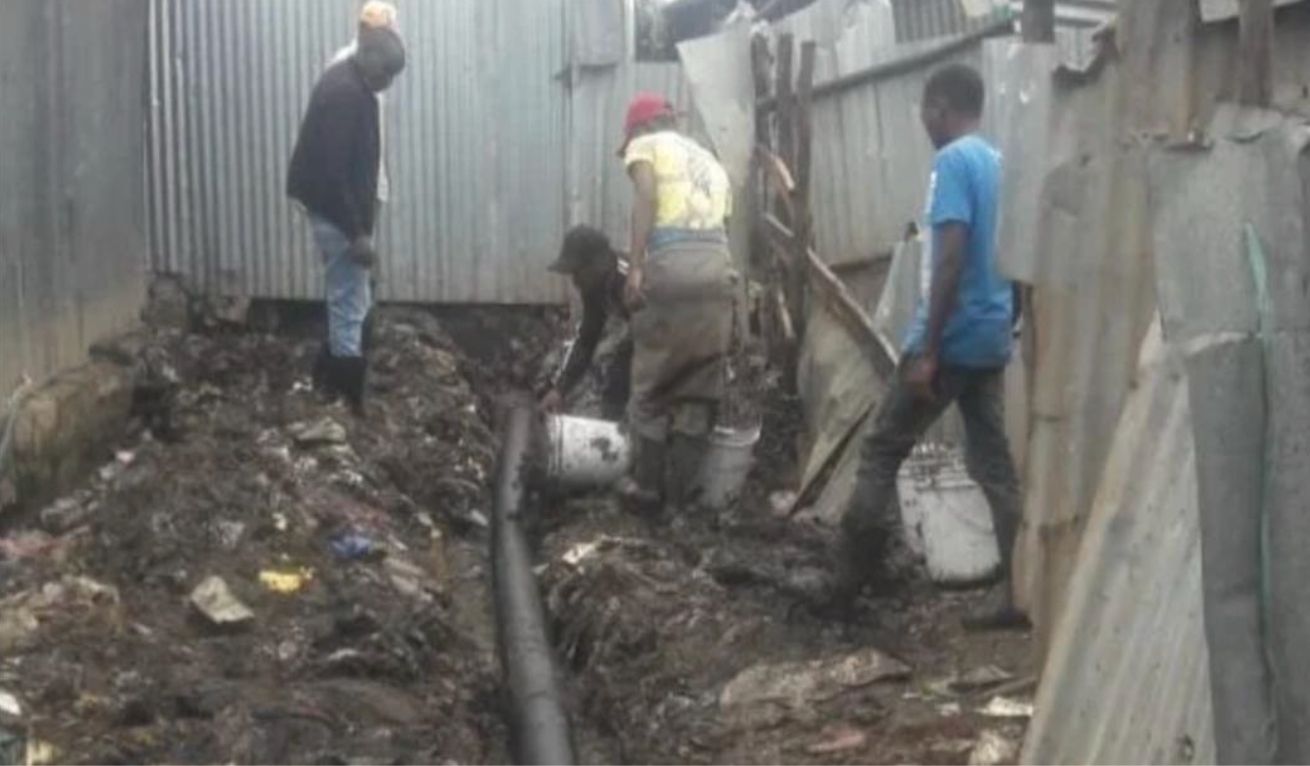
Mathare structure owners visited Mukuru to learn how communities are shaping affordable, sustainable sanitation solutions through the Simplified Sewer System. The exchange highlighted lessons on community mobilization, local ownership, partnerships, and collective action in addressing urban sanitation challenges.
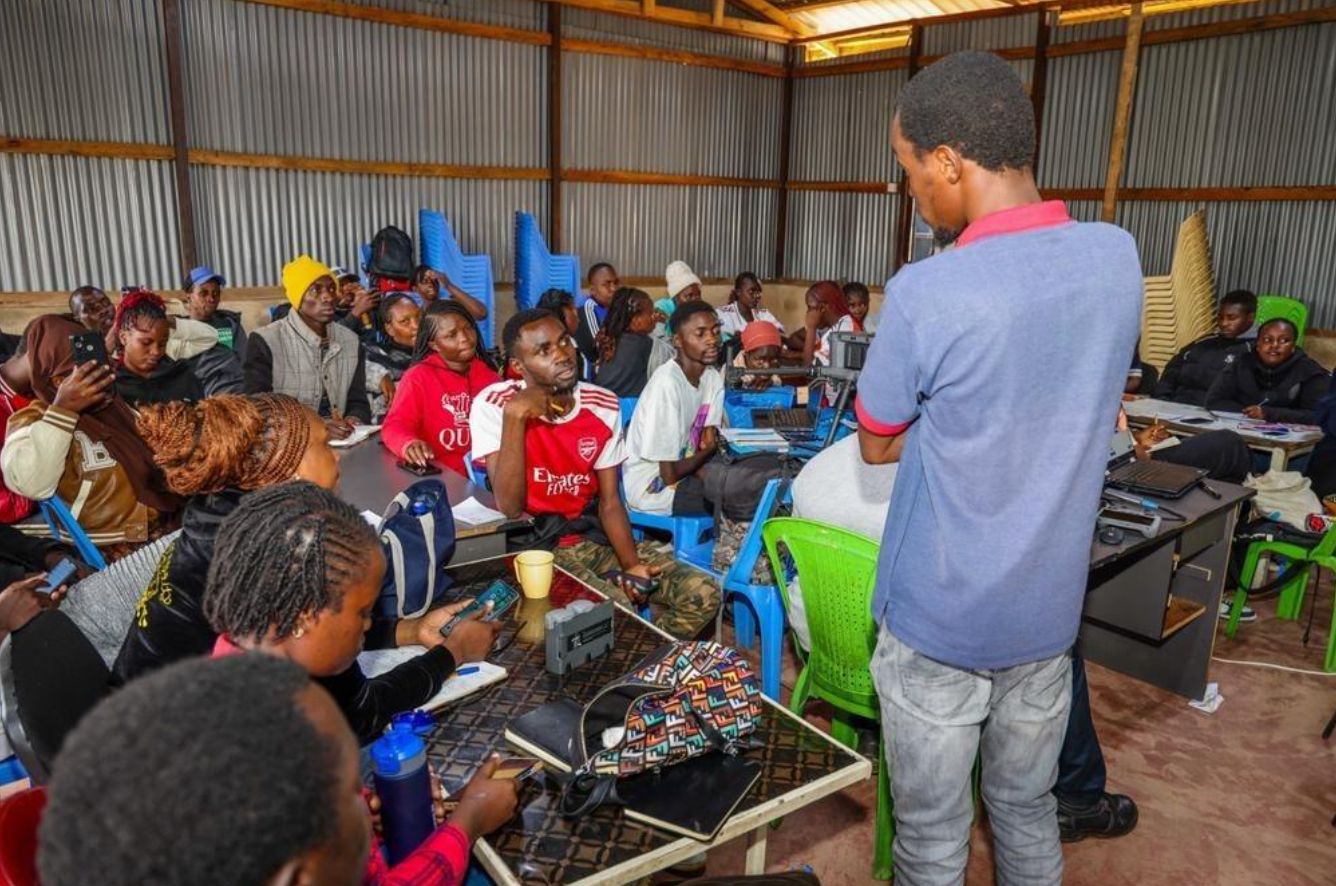
Harnessing Community-Led Data for Lasting Transformation explores how youth community researchers in Mathare are using data, local knowledge and research skills to strengthen climate resilience. Through community-led mapping, knowledge brokering and inclusive validation, the project is helping ensure local voices inform planning, advocacy and climate action.
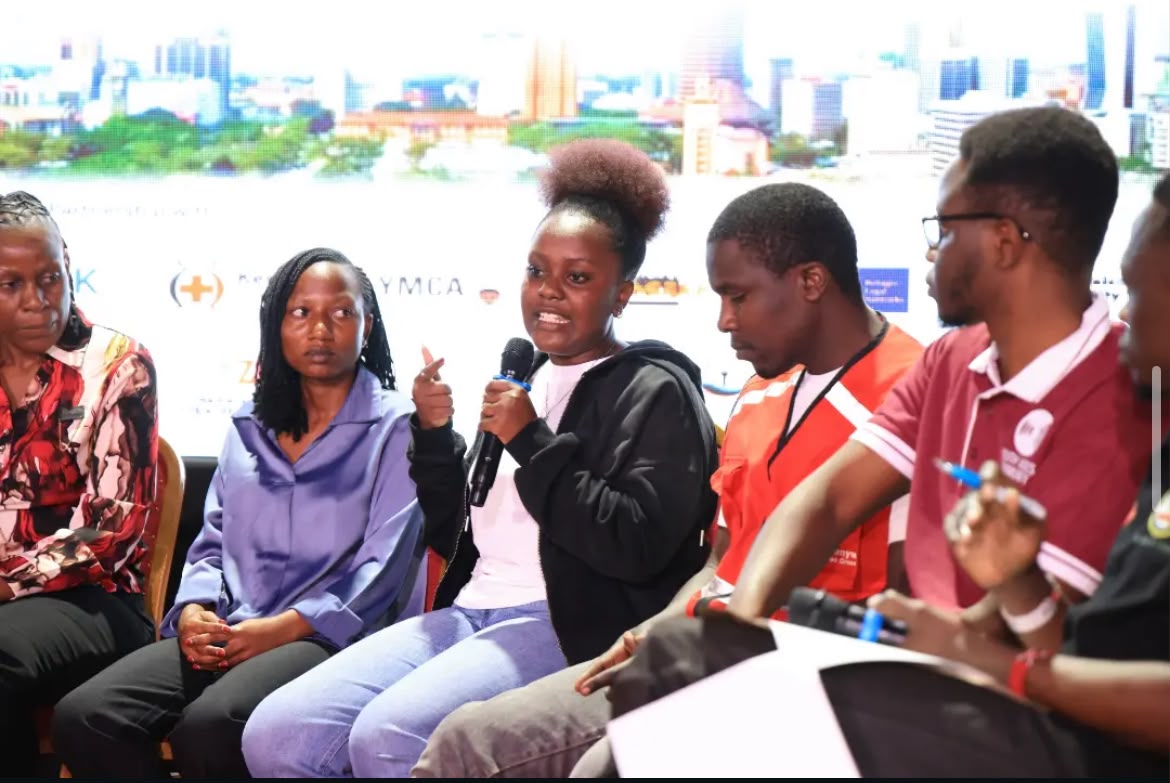
On International Youth Day, young people from different backgrounds came together to share experiences, explore opportunities and reflect on shared aspirations around livelihoods, wellbeing, employment, creativity and meaningful participation.
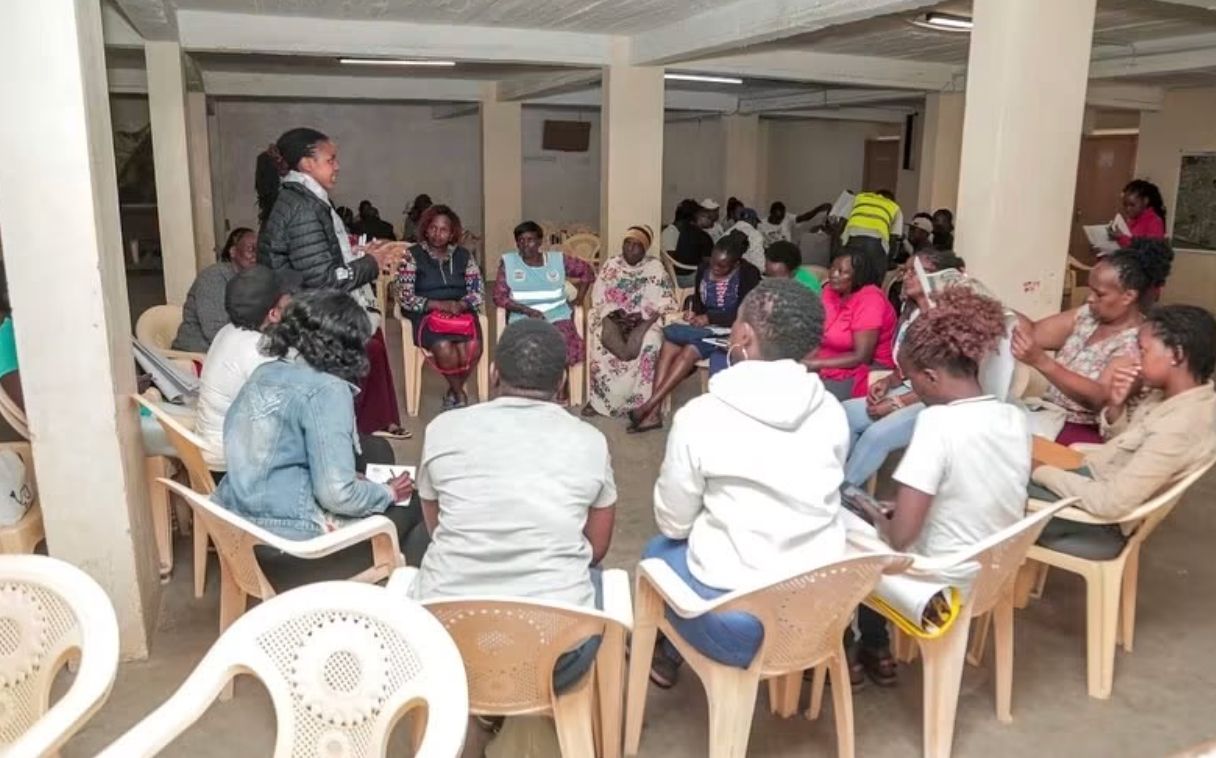
In Kiamaiko, young people are turning community data and local knowledge into action. Through adaptation planning, mapping, advocacy, and partnerships, they are helping residents identify priorities, strengthen local structures, and build a more resilient, inclusive community prepared for future challenges.
.jpg)
In Mukuru kwa Reuben, Muungano youth are turning climate knowledge into art. Their mural connects climate change, mental health and community resilience, using lived experience and storytelling to make complex issues visible, relatable and part of everyday community conversations.
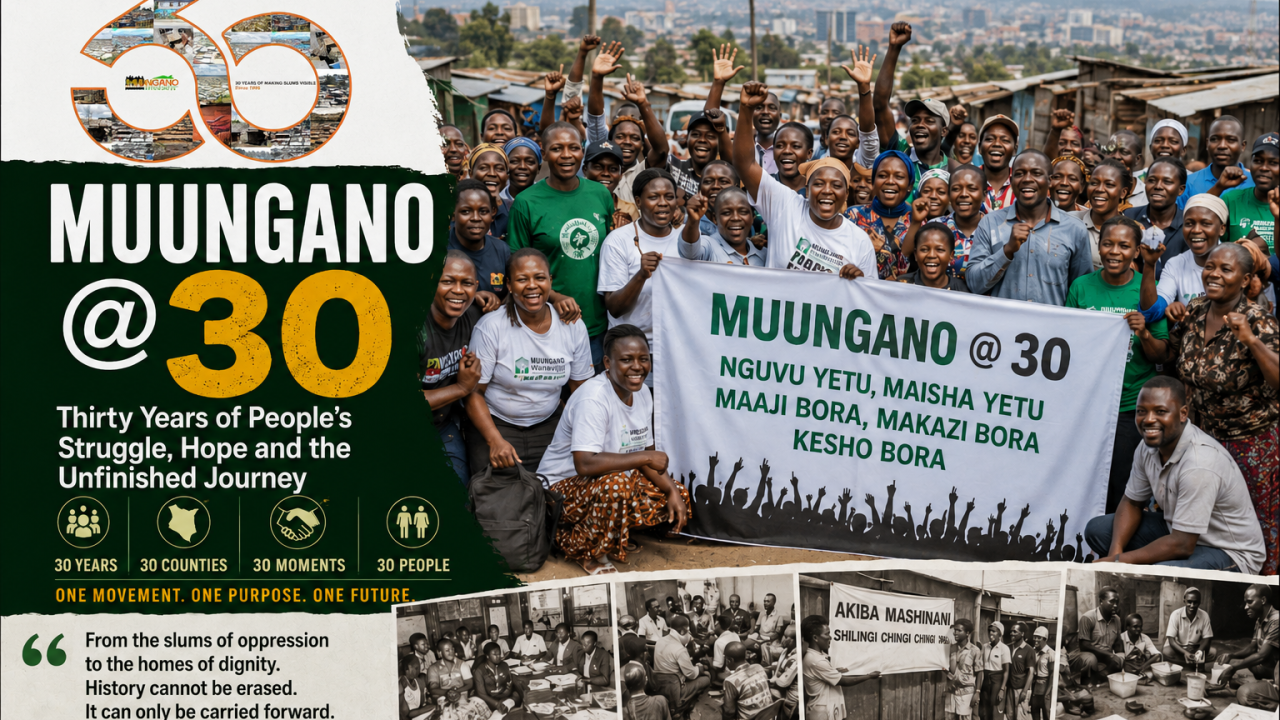
For three decades, Muungano wa Wanavijiji has demonstrated the power of collective action in transforming lives and advancing urban justice. In this reflective piece, Erickson Sunday Aboka traces the movement's journey, celebrating its pioneers, enduring legacy, and the responsibility of a new generation to carry the struggle forward.
Join our newsletter to stay up to date on news and projects.
By subscribing you agree to our privacy policy and provide consent to receive updates from our organization.
.svg)


