

Mathare Valley has over 200,000 residents. It lies on 157 hectares and is characterized by limited public spaces due to the high demand for land, housing, and services, which are key pillars for one’s survival. The residents of Mathare describe public spaces as places of hope, playgrounds, meeting points, recreational facilities, and places of safety when it comes to responding to disasters, according to the recent African Cities Research Consortium (ACRC) situational analysis.
These vital safe spaces are under siege. Over 96% of Mathare’s residents are tenants living without formal titles. This uncertainty discourages investment in the few shared spaces available because of housing demand. As families fight to hold onto their homes, community land is often grabbed, and narrow pathways, the veins of the settlement, are converted into private property, hence reducing public spaces that can be used during disaster management.
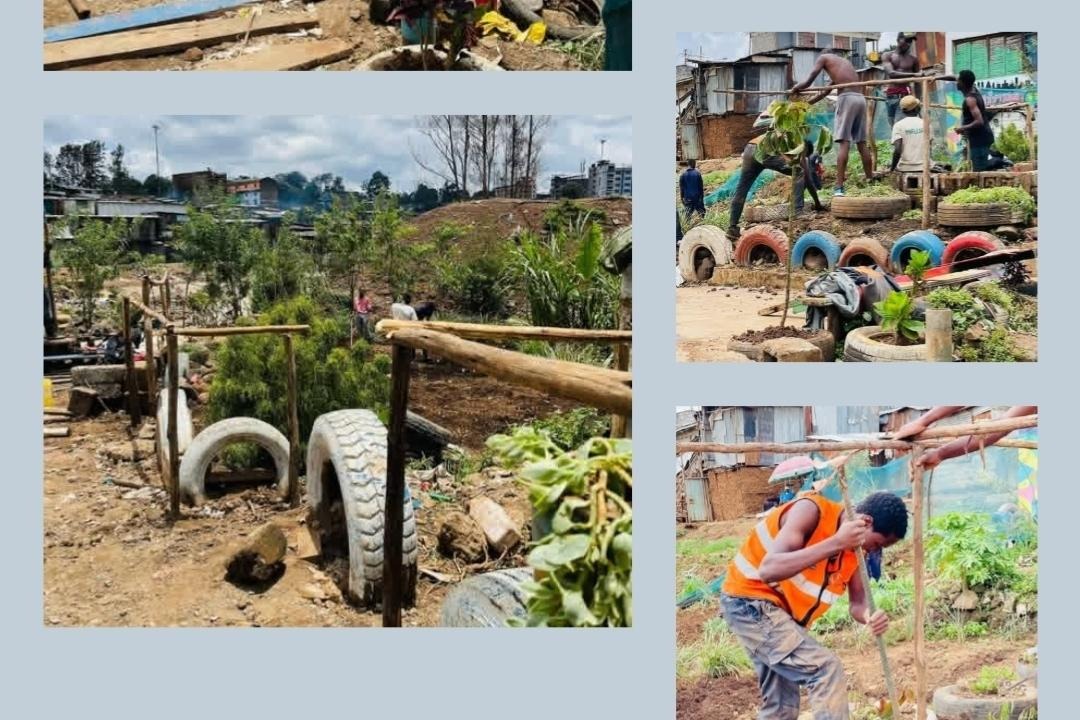
Despite these setbacks, some groups in informal settlements have been able to safeguard and transform their public safe spaces. One such group is Miami, Florida, a community-based organization in Mathare, which shows that collective action for land reclamation can deliver community benefits and prove that transformation is possible. By partnering with the community, these initiatives have turned former dumpsites and crime dens into green parks, urban farms, and playgrounds. They have proven that with local ownership, a neglected space can become a hub for food security, safety, and social cohesion.
Another park has shown that continuous, inclusive engagement can drive local solutions and give birth to better ones. Mathare Community Park is a community-led initiative dedicated to combating climate change and environmental degradation and restoring livelihoods in Mathare. The initiative focuses on waste management and restoring the Mathare River, transforming riparian zones into green recreational spaces. These initiatives build resilience among women and youth, empowering them to better adapt to the environment and climate change challenges within the Mathare slums.
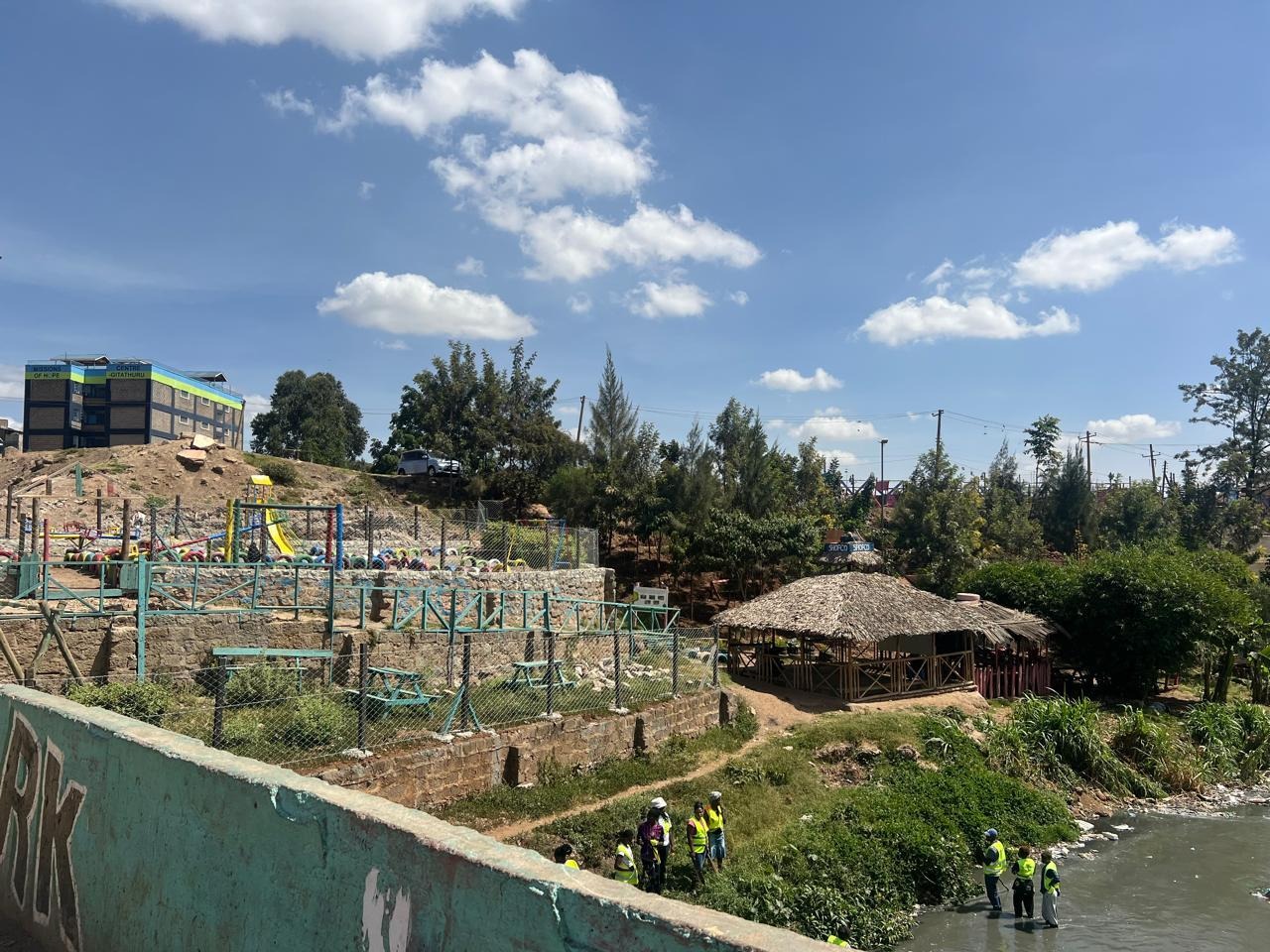
To truly develop and re-imagine public spaces in Mathare, Catherine, a community member in Mathare, states that, “We need to secure land tenure, giving us the confidence to invest in our surroundings. We must address waste management issues to reclaim spaces used as dumps and turn them into green spaces. And give priority to inclusivity and pathways for people with disabilities, and safe areas for women and children.”


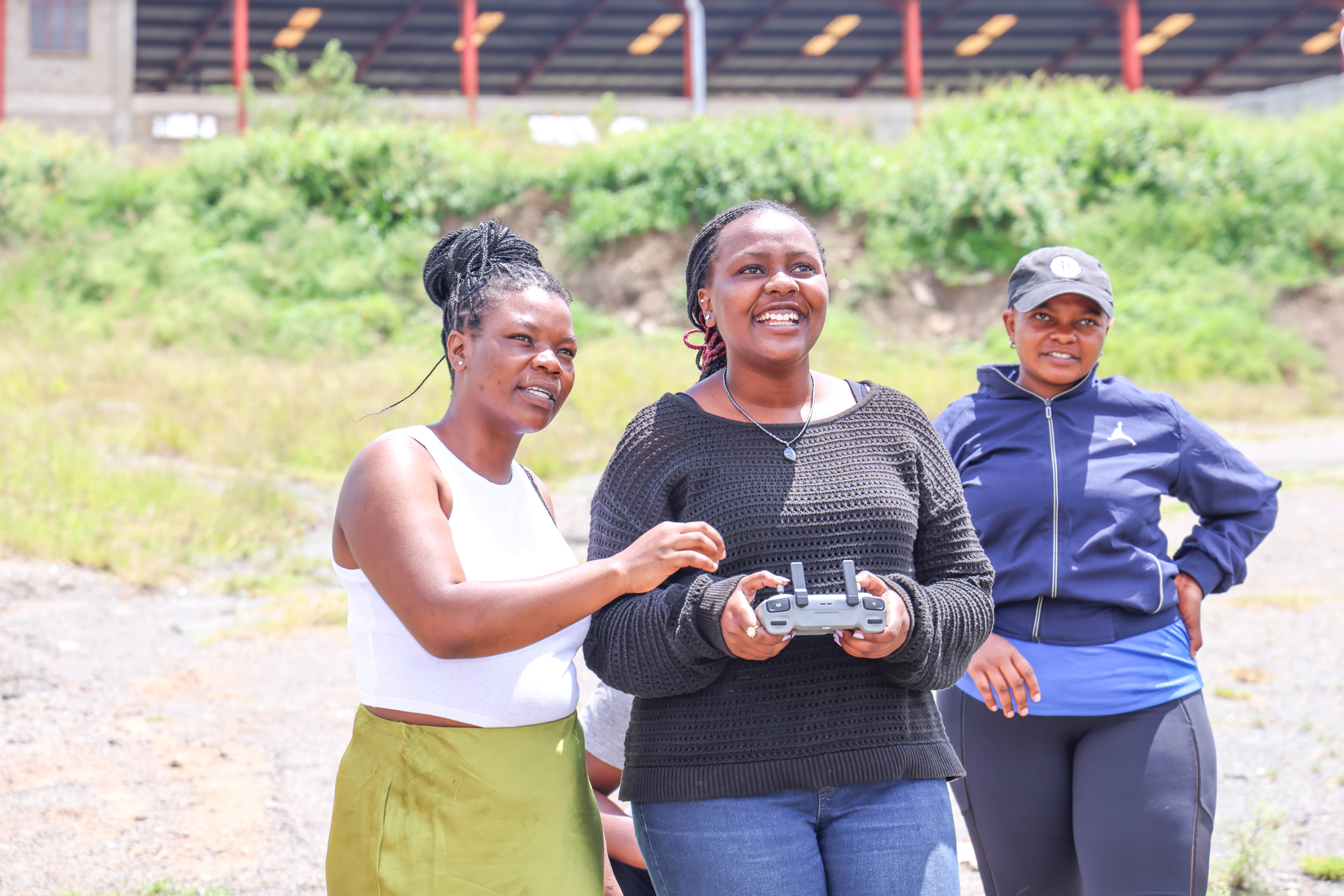
What happens when young people map their own communities? In Mathare, it means more than better data, it means new skills, new confidence, and new pathways into work. This story traces how community-led data is evolving into a tool not just for advocacy, but for livelihoods.

In this piece, Jacob Omondi, Jackline Waithaka, and Jane Wairutu discuss the profound impact of COVID-19 on youth in informal settlements like Mathare, Nairobi. The pandemic has exacerbated job losses and financial instability, particularly affecting those in the informal economic sector, where many young people rely on daily earnings from their businesses.

In Loitoktok, Kajiado County, a women’s group is transforming lives through resilience and innovation. With support from the Next Level Grant Facility under Voices for Just Climate Action, they’ve expanded urban farming and beekeeping, proving the power of collective action in climate adaptation and economic empowerment.
Join our newsletter to stay up to date on news and projects.
By subscribing you agree to our privacy policy and provide consent to receive updates from our organization.
.svg)


