

In the heart of Mathare subcounty lies Kiamaiko, a vibrant community facing many daily challenges. Residents have long struggled with flooding, poor drainage, unmanaged waste, limited access to quality healthcare and education, and insecure living conditions. Despite these difficulties, the people of Kiamaiko are working together to create positive change and build a stronger future for their community.
A key effort behind this transformation is the Kiamaiko Adaptation Planning process, led by Muungano wa Wanavijiji, SDI Kenya, and community members. Through community meetings, discussions, surveys, and mapping activities, residents come together to identify the challenges they face and develop practical solutions. Young people have been central to this process, helping bring people together and turn ideas into action.
The planning process began with profiling and enumeration exercises to understand the settlement’s demographics, service gaps, and climate-related risks. Youth actively collected data, conducted surveys, mapped community assets, and documented local challenges. In this role, they had access to information, helping to bridge the gap between technical information and community realities. By gathering and sharing accurate information about their settlement, young people ensured that residents' voices and experiences informed every stage of the planning process.
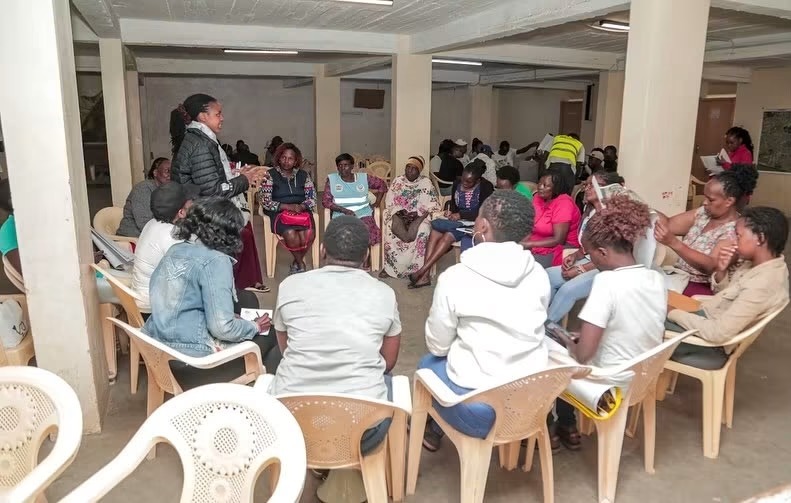
As the process continued, the community identified six key priority areas: health, security, education, water and sanitation, roads and drainage, and the environment. Young people helped community members understand these issues and encouraged participation through meetings, discussions, and awareness activities. Their efforts helped residents see how they could work together to improve their neighborhoods.
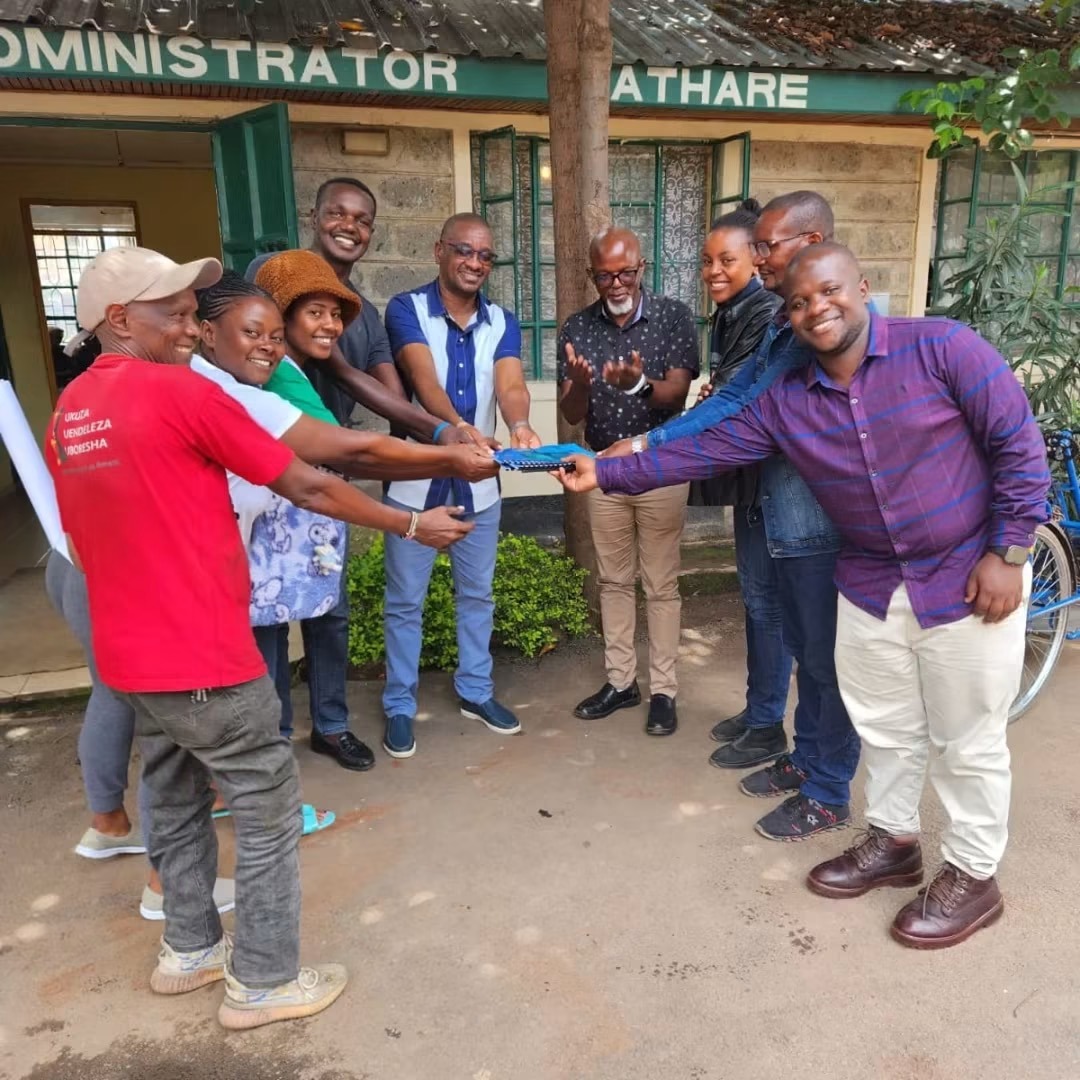
Youth also played an important role in bringing together local experiences and new ideas. They helped create spaces where community members could share their knowledge, discuss challenges, and develop solutions that reflected the realities of life in Kiamaiko. This ensured that the plans being developed were practical and responsive to local needs.
One of the most significant interventions in this process has been the formation of specialized structures such as the Resilience Hub, the WASH Committee, and a community-led Disaster Response Team. Youth have played a key role in connecting communities with new ideas, partnerships, and resources. They have helped identify innovative approaches to waste management, environmental restoration, sanitation improvement, and community awareness campaigns. For example, they helped strengthen links with the Danish Refugee Council (DRC), which provides psychosocial support to people affected by disasters and displacement. This partnership has strengthened the community’s ability to respond to psychosocial needs alongside broader disaster preparedness and response efforts.
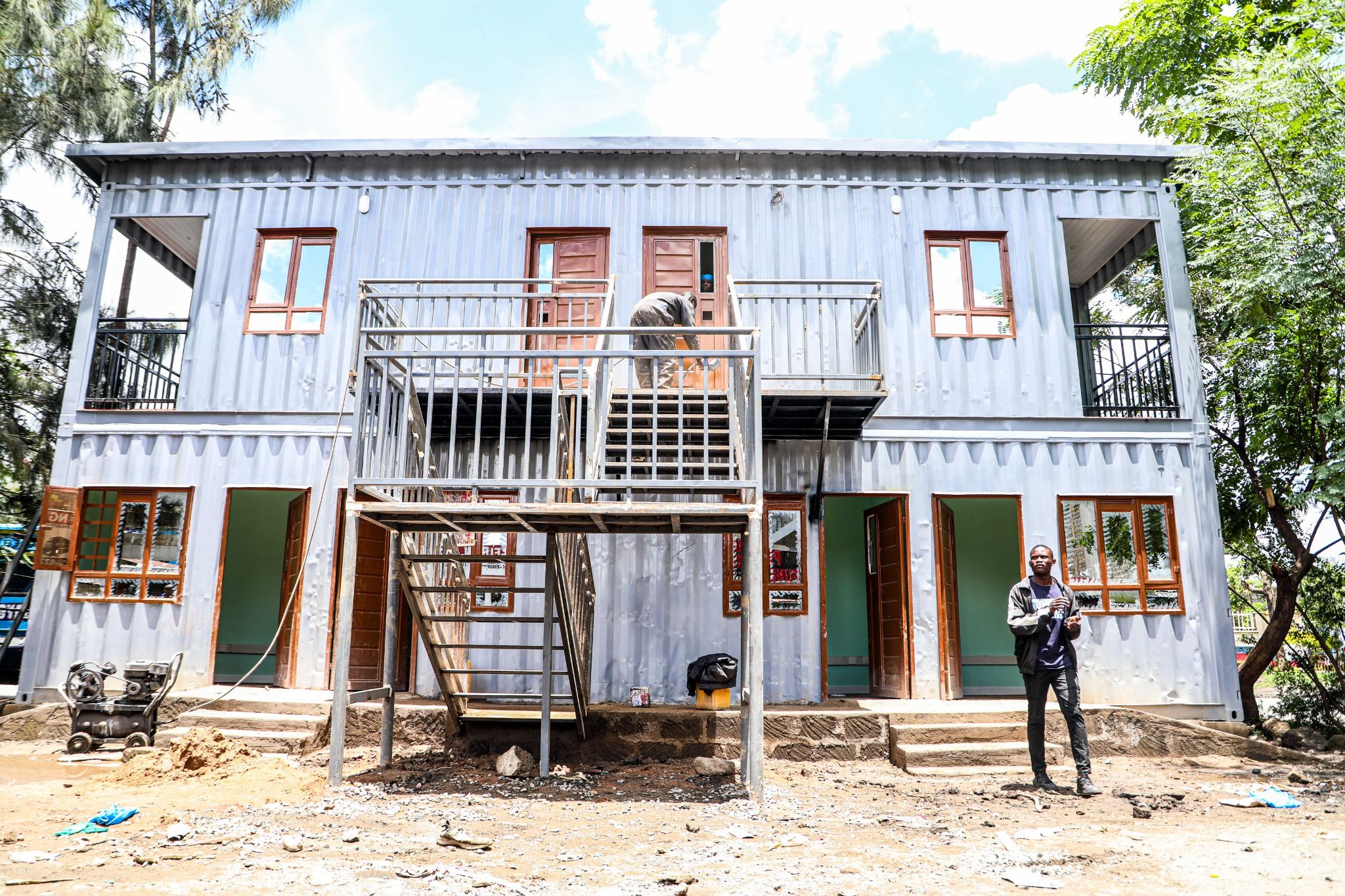
A consolidation meeting held in October 2024 at Daniel Comboni Hall highlighted the importance of youth leadership. Together with women’s groups, community leaders, and development partners, young people helped review community priorities and identify actions that will shape the future of Kiamaiko. Their participation also ensured that the views of the community’s largest population group were represented in important discussions and decisions.
The progress made so far is about much more than plans on paper. It represents a growing spirit of participation, responsibility and local leadership. Young people are proving that they are not just recipients of development programs but active contributors to positive change. They are helping to share information, bring people together and inspire action across the community.
As Kiamaiko continues its journey, young people remain essential. Their energy, creativity, and commitment are helping build a community better prepared for future challenges while improving everyday life for residents. Their involvement shows that lasting change is possible when communities work together, and young people are given the opportunity to lead.
Kiamaiko’s story is a powerful reminder that strong communities are built from within. By investing in local leadership and encouraging meaningful participation, Kiamaiko is creating a model of community-driven change that can inspire other informal settlements across Nairobi and beyond.
This blog output was produced with support from the Climate and Development Knowledge Network (CDKN) through a collaboration between SDI Kenya, Muungano wa Wanavijiji, and SouthSouthNorth (SSN) to strengthen the knowledge-brokering skills of Muungano's youth leaders.


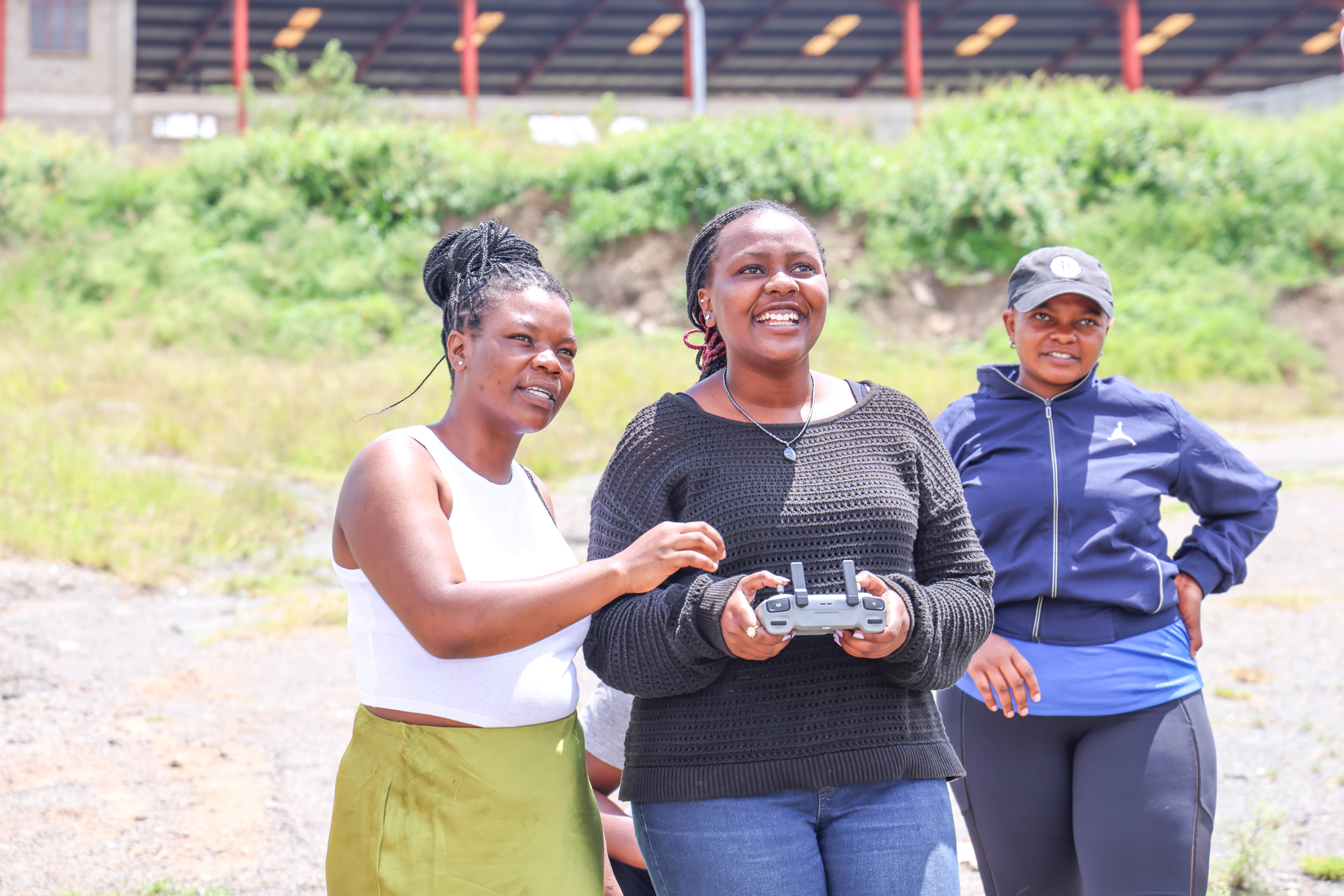
What happens when young people map their own communities? In Mathare, it means more than better data, it means new skills, new confidence, and new pathways into work. This story traces how community-led data is evolving into a tool not just for advocacy, but for livelihoods.

In this piece, Jacob Omondi, Jackline Waithaka, and Jane Wairutu discuss the profound impact of COVID-19 on youth in informal settlements like Mathare, Nairobi. The pandemic has exacerbated job losses and financial instability, particularly affecting those in the informal economic sector, where many young people rely on daily earnings from their businesses.

In Loitoktok, Kajiado County, a women’s group is transforming lives through resilience and innovation. With support from the Next Level Grant Facility under Voices for Just Climate Action, they’ve expanded urban farming and beekeeping, proving the power of collective action in climate adaptation and economic empowerment.
Join our newsletter to stay up to date on news and projects.
By subscribing you agree to our privacy policy and provide consent to receive updates from our organization.
.svg)


