

When building a city, nothing works for everyone without us; transforming a city begins with data that represents everyone. The Tuwe Pamoja Research Project is founded on the belief that communities should not only be subjects of research but active participants in the entire research process. The project seeks to build the capacity of community researchers on research methodologies, including problem identification, objective setting, data collection, analysis, and data presentation in relation to climate change resilience and adaptation in informal settlements.
At the heart of the Tuwe Pamoja Research Project is the principle of data sovereignty: if data is collected about communities, then community members should be actively involved in generating, interpreting, and using that data. Through the project's capacity strengthening and mentorship, youth community researchers became knowledge brokers who connected local knowledge with scientific research and paved the way for action. They engaged residents in generating and interpreting data, translated research findings into accessible information, and facilitated dialogue between communities, researchers, and decision-makers. In doing so, they helped shift development practice from planning for communities to planning with communities on climate change strategies.
Climate change affects communities and individuals differently depending on their location, livelihoods, housing conditions, and access to essential services. Despite this reality, many climate policies and adaptation plans rely heavily on national surveys and other large-scale datasets that often fail to capture local experiences and priorities. Community-led data offers an alternative by placing residents at the center of identifying risks, documenting impacts, and designing solutions through co-creation sessions with climate change researchers and civil society partners.
Informal settlements such as Mathare, Kibera and Mukuru are among the urban areas most vulnerable to climate-related challenges, including flooding, extreme heat, poor waste management, and inadequate infrastructure. However, many of these communities lack reliable, up-to-date data to help them understand risks, plan responses, and advocate for resources and investments.
According to Kate, a community researcher involved in the project, "The Tuwe Pamoja capacity-building program on research approaches such as data collection and analysis helped us understand flood-prone zones, areas affected by heat stress, waste accumulation hotspots, vulnerable households, and populations. We were also able to conduct settlement profiling, map community assets and risks, and develop resilience plans."
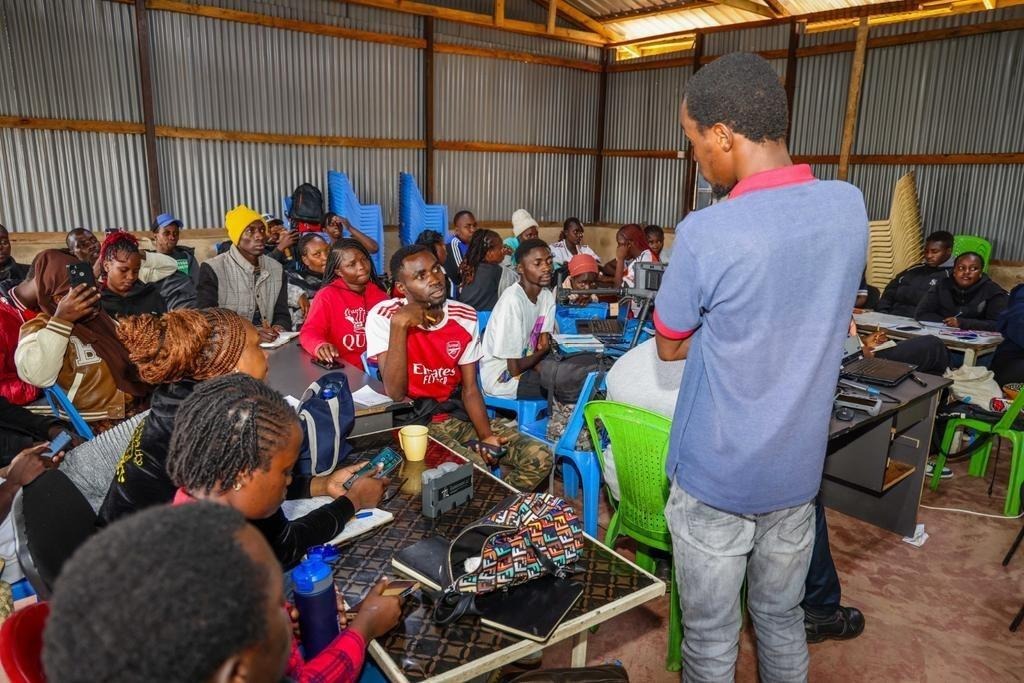
Figure 1: Youth from Mathare undergoing research training
Beyond strengthening research skills among community leaders and residents, the project also seeks to understand climate financing at the local level. It aims to explore why climate mitigation and adaptation efforts are often not felt in informal settlements such as Mathare despite significant investments being made globally and nationally. Many residents remain highly exposed to climate-related disasters, as witnessed during the devastating floods of 2024.
Mathare Valley was among the areas most severely affected by the 2024 flooding, as heavy rainfall displaced thousands of families living along riparian reserves, affecting more than 6,000 households. The floods also impacted thousands of other residents across the settlement. In response, the government implemented measures that included evicting people living within the 30-meter riparian reserve as part of efforts to reduce future flood risks.
For many residents, however, the experience highlighted the need for more proactive, community-driven approaches to climate adaptation, resilience, and disaster preparedness.
According to Babra, a youth leader from Mathare, "The Tuwe Pamoja Research Project was one of its kind because it gave community members the power to understand and explore nature-based solutions with policy implementers like the county government of Nairobi. The validation of nature-based solutions was inclusive, bringing together youth, women, and older persons to create an intergenerational approach to addressing climate-related disasters using data that can inform local development processes.
Rather than simply collecting data, the youth served as knowledge brokers throughout the research process. They created spaces for dialogue among community members, researchers, and other stakeholders, ensuring lived experiences informed scientific research while making findings accessible to the communities they represented. This collaborative process strengthened the evidence base for nature-based solutions and increased its relevance for policy and investment decisions.
With support from Tuwe Pamoja, SDI Kenya, and Muugano, the youth empowered community members to anticipate future climate-related risks and identify areas that may become increasingly vulnerable to disasters. By mapping climate hotspots and community assets, residents are now better equipped to prepare for future challenges and build safer, more resilient neighborhoods.
As part of the project, the community co-researchers led the validation sessions, where they shared the research findings with diverse stakeholders, including youth groups, the Nairobi City County Environment Department, community-based organizations, women, persons with disabilities, and other community members involved in advancing nature-based solutions. Beyond presenting the findings, the youth facilitated discussions, gathered feedback, and created a platform for different stakeholders to validate the evidence against their lived experiences. This knowledge exchange confirmed that the findings reflected the realities of climate change in informal settlements while strengthening the research through diverse perspectives.
There is nothing for us without us; community-led data is more than a research approach, as it creates a pathway to inclusive planning, climate justice, and sustainable urban development. The future of resilient cities depends on ensuring that those most affected by climate change have a voice in shaping solutions through research, as it ensures data ownership and paves the way for sustainable, inclusive interventions.
This blog output was produced with the support of the Climate and Development Knowledge Network (CDKN) through a collaboration between SDI Kenya, Muungano wa Wanavijiji, and SouthSouthNorth (SSN) aimed at strengthening the knowledge brokering skills of Muungano's youth leaders.


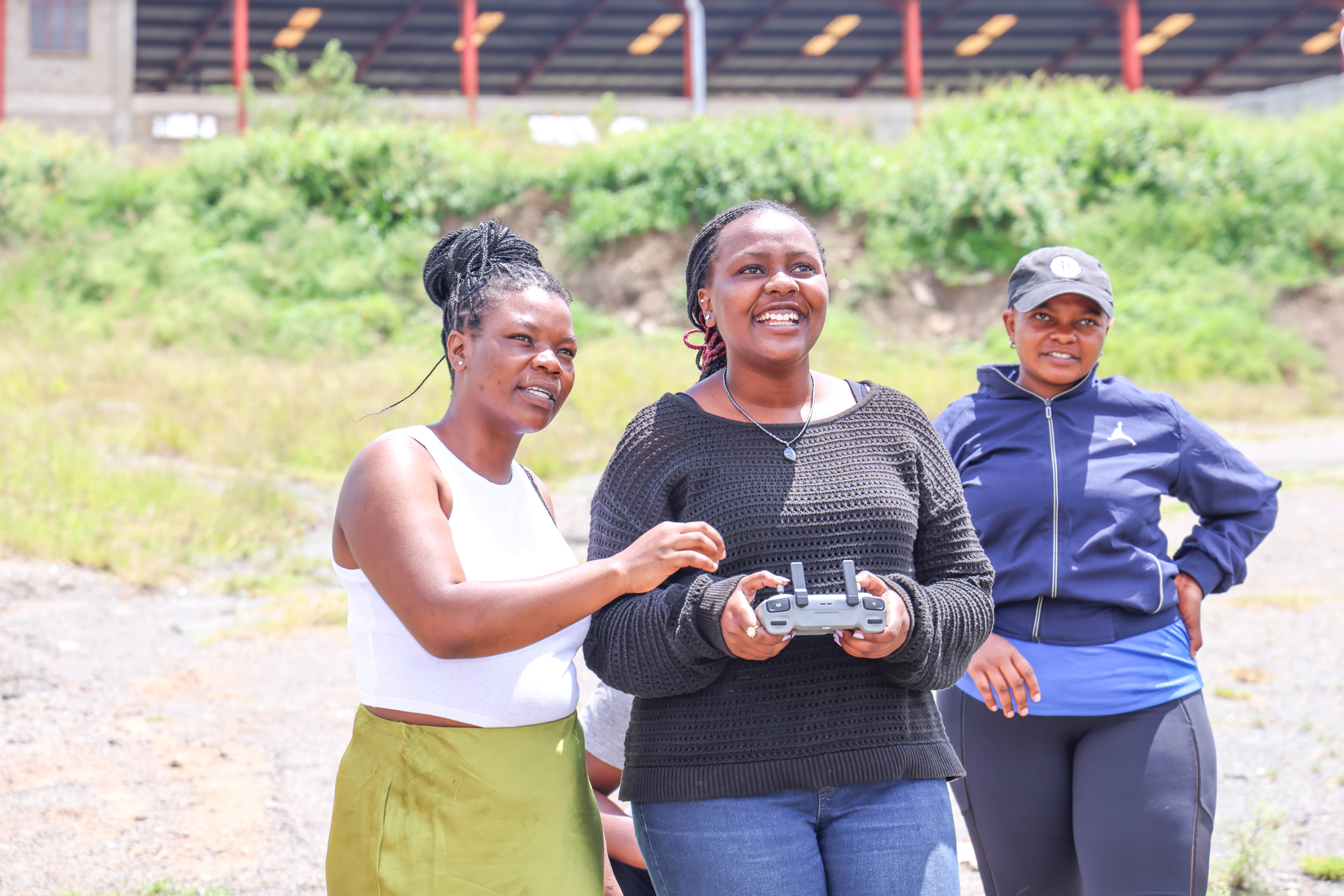
What happens when young people map their own communities? In Mathare, it means more than better data, it means new skills, new confidence, and new pathways into work. This story traces how community-led data is evolving into a tool not just for advocacy, but for livelihoods.

In this piece, Jacob Omondi, Jackline Waithaka, and Jane Wairutu discuss the profound impact of COVID-19 on youth in informal settlements like Mathare, Nairobi. The pandemic has exacerbated job losses and financial instability, particularly affecting those in the informal economic sector, where many young people rely on daily earnings from their businesses.

In Loitoktok, Kajiado County, a women’s group is transforming lives through resilience and innovation. With support from the Next Level Grant Facility under Voices for Just Climate Action, they’ve expanded urban farming and beekeeping, proving the power of collective action in climate adaptation and economic empowerment.
Join our newsletter to stay up to date on news and projects.
By subscribing you agree to our privacy policy and provide consent to receive updates from our organization.
.svg)


