

Imagine walking through your neighborhood, and the air is thick with the stench of rotting garbage. The river that runs through your community is choked with plastic, and your children have no safe place to play except the smoldering dump site. With more than 200,000 residents in Mathare Valley, one of Nairobi’s oldest and most densely populated informal settlements, this is not a nightmare; it is a harsh reality that we face as Mathare residents.
The main data collection phase combined both quantitative and qualitative methods. We gathered quantitative data through surveys and spatial mapping, providing measurable insights into the number of waste collection points, the frequency of waste collection, and the types of waste generated. At the same time, qualitative data were collected through 12 focus group discussions and key informant interviews. These discussions allowed residents to share personal experiences, highlight challenges, and propose solutions, adding depth and context to the numerical data. The data collection process was entirely community-led; it empowered communities to document their realities, build our capacity in data collection, influence decision-making, and advocate for more inclusive and sustainable waste management solutions.
The math is simple, but devastating: rapid urbanization, a population density that can exceed 100,000 people per square kilometer, and a near-absence of formal county services have created a waste crisis. According to Kevin Morania, environmental officer, Hospital ward, “Nairobi County struggles to collect waste even in well-planned areas. The county government has really made efforts around waste management by the introduction of the Green Army, while the National government introduced Climate Works to support communities on environmental conservation.”
According to Mary Wairimu, a resident from Mathare, “The African Cities Research Consortium plays a critical role in how informed data collection can help in tailoring solutions based on the research on the status of waste management in Mathare. Mathare residents show incredible resilience and adaptation, but the systems designed to serve us are failing due to the slow implementation of the existing policies around environmental conservation.”
According to the data collected, it was evident that waste management groups are networks of mostly youth-led, community-based organizations and self-help groups that form the backbone of waste collection in Mathare. These groups play a critical role, but they are often not recognized for their efforts in waste management, with 86% collecting household waste directly from homes. They brave the stench and health risks as they often work without adequate protective gear like gloves, boots, or masks. 59% of groups do not have formal recognition from the county government.
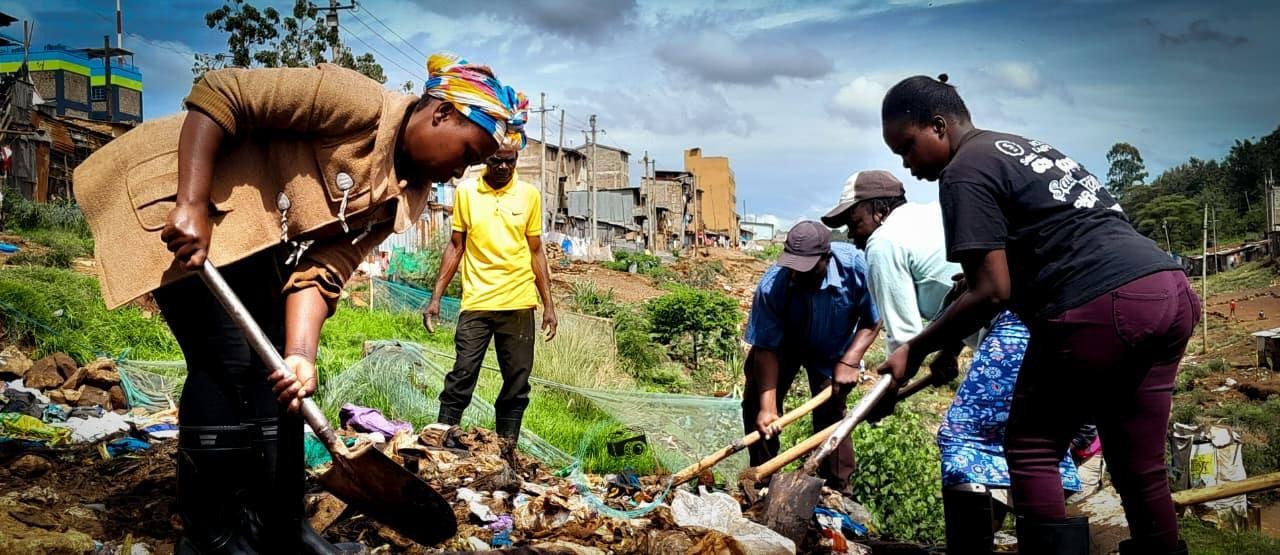
They operate on a tight budget: 77% rent the carts they use to haul garbage through narrow terrain, and only 78% charge residents a waste collection fee ranging from 100-250 KES monthly, which is inconsistent. Many residents struggle to afford even this, leading to a cycle where waste is disposed of illegally, dumped into drains, along roadsides, and into the Mathare and Gitathuru rivers.
One resident’s description of the connection between sanitation and waste is particularly haunting: "The sewer passes above the water pipes at times and is below waste collection points, as a result of poor waste disposal, it mixes with the water and contaminates the water, hence causing a health hazard to residents as it adds an unintended cost of paying for medical services."
Despite the overwhelming challenges, there are positive efforts that the community members and waste management stakeholders are making to support the reduction of poor waste disposal by forming waste management networks to support the understanding of the waste value chain to help address livelihood challenges, and the introduction of partnerships with the private sector, especially the plastic manufacturers, to help in recycling plastic waste. Muungano wa Wanavijiji, with support from Shack Dwellers International-Kenya, organized a series of Circular Economy training sessions for waste management groups to help them understand the value waste brings in addressing daily economic challenges.


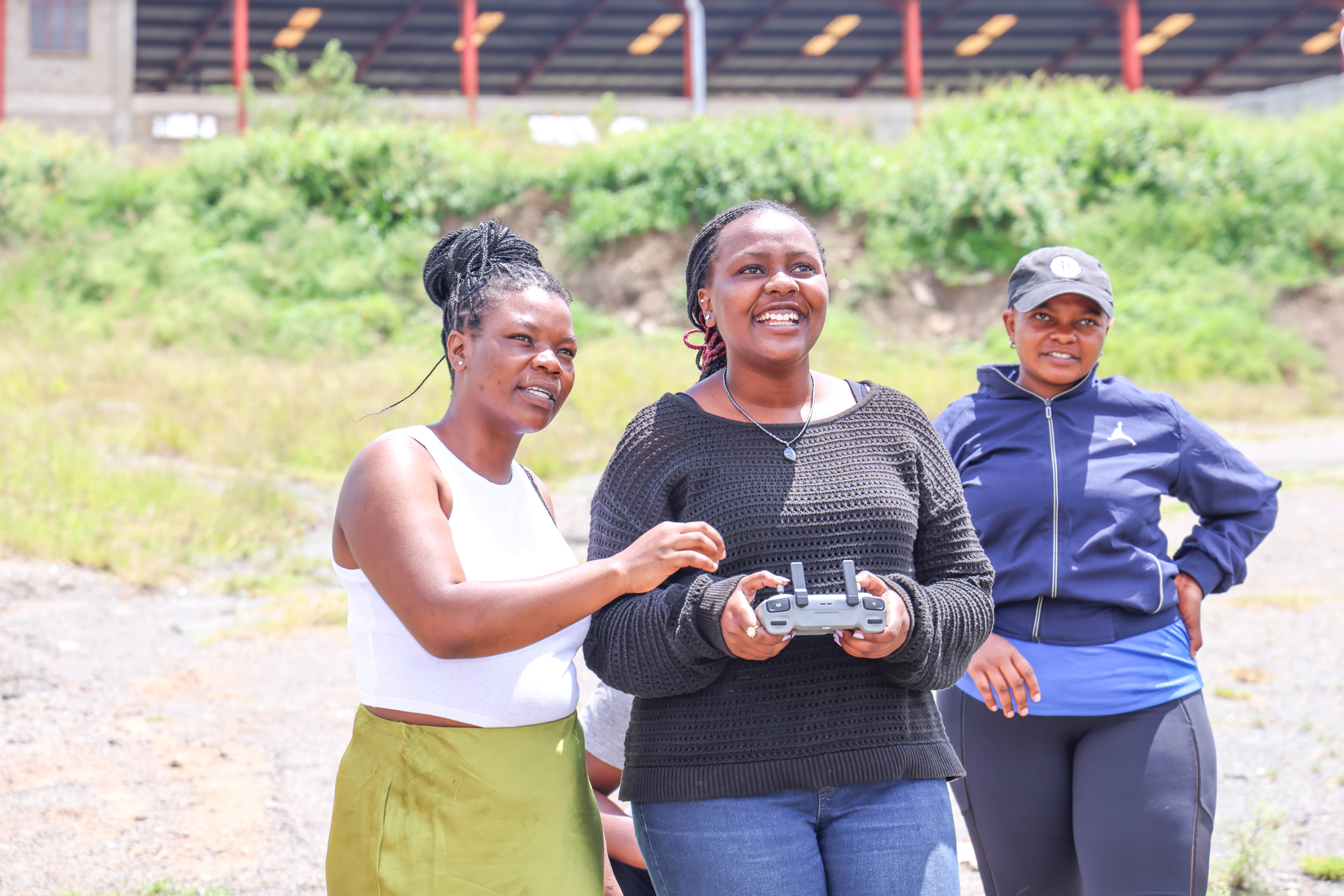
What happens when young people map their own communities? In Mathare, it means more than better data, it means new skills, new confidence, and new pathways into work. This story traces how community-led data is evolving into a tool not just for advocacy, but for livelihoods.

In this piece, Jacob Omondi, Jackline Waithaka, and Jane Wairutu discuss the profound impact of COVID-19 on youth in informal settlements like Mathare, Nairobi. The pandemic has exacerbated job losses and financial instability, particularly affecting those in the informal economic sector, where many young people rely on daily earnings from their businesses.

In Loitoktok, Kajiado County, a women’s group is transforming lives through resilience and innovation. With support from the Next Level Grant Facility under Voices for Just Climate Action, they’ve expanded urban farming and beekeeping, proving the power of collective action in climate adaptation and economic empowerment.
Join our newsletter to stay up to date on news and projects.
By subscribing you agree to our privacy policy and provide consent to receive updates from our organization.
.svg)


