

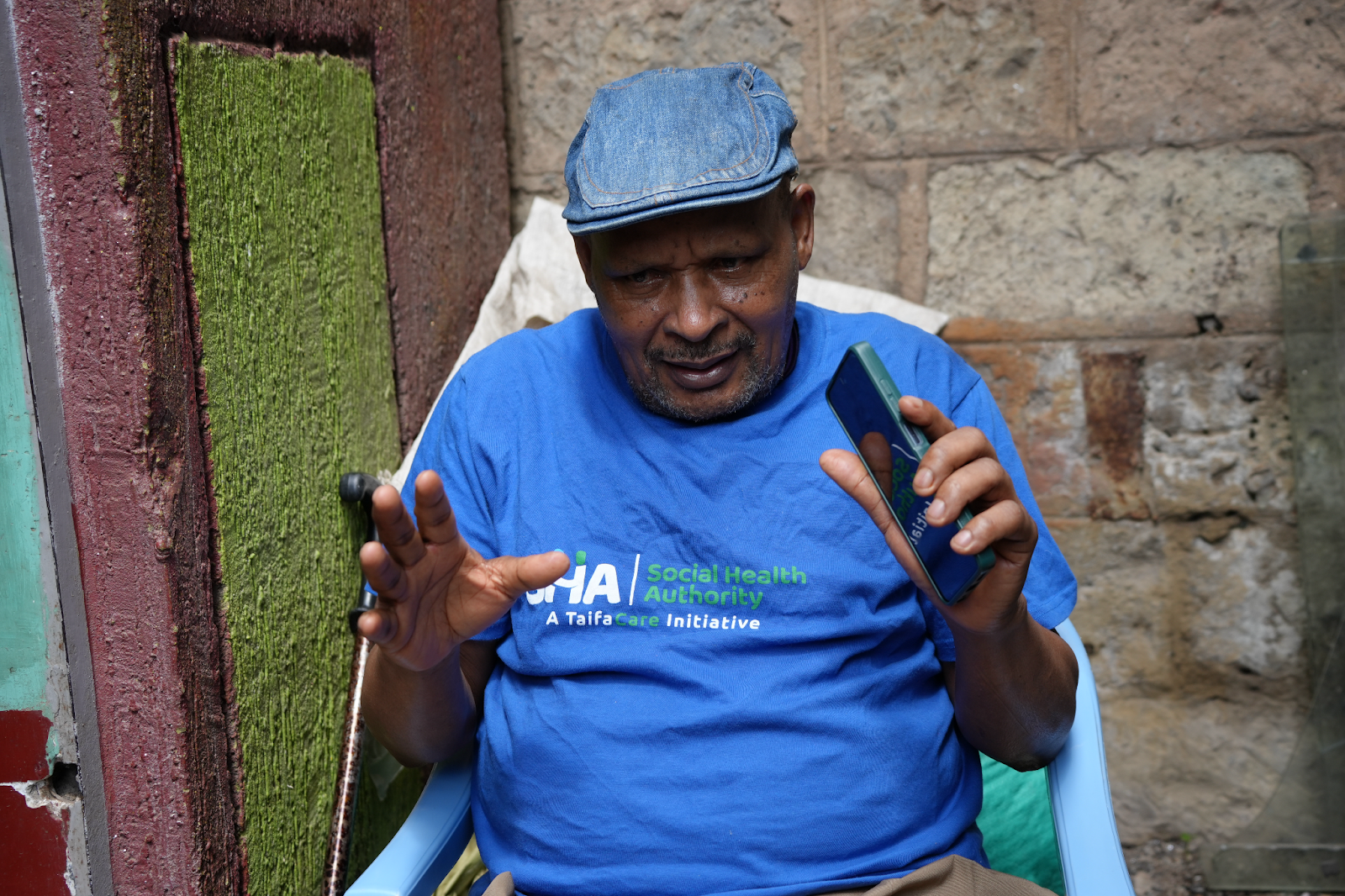
Njuguna James Gathiru (commonly known as Wagathiru) is an elder and a resident of Ghetto Village in Huruma, Nairobi. For 30 years, Muungano wa Wanavijiji has united communities across Kenya in the fight for land, housing, and services. Njuguna James Gathiru’s story in Huruma illustrates the personal and collective triumphs of this enduring movement.
To Njuguna, Muungano is about people coming together to protect their homes and their dignity. Before the movement, life in Huruma was uncertain. Fires were common, and when disaster struck, families faced the consequences on their own. The community had no voice and limited protection. Through Muungano, residents began organizing as one. Unity gave them strength and the ability to stand up for their village (kutetea kijiji). For the first time, people felt seen, heard, and supported.
When Njuguna joined Muungano, the main call was ‘ardhi na makao ya kudumu’; land and permanent housing. While progress was made, the journey was uneven. Through savings, some members managed to secure Land, other communities, for example, Kambi Moto in Huruma, through advocacy and negotiations with the City Government, they managed to secure land tenure, and through savings, they managed to build houses on that Land. Through savings and constant advocacy, it has taught communities the importance of patience, persistence, and resilience.
Since 2016, Njuguna has worked closely with communities in Kibera and Mukuru, gaining deep insights into the lived realities of residents in these informal settlements. His experience spans several villages, that is, Huruma, Kambimoto, Mathare Redeemed, Ghetto, and Kamarigena.
Muungano wa Wanavijiji connects communities, especially slum dwellers, across Kenya . Through Muungano, Njuguna learned an important lesson: formal education is not the only path to a meaningful life. He has witnessed members who never had the chance to go to school travel outside the continent and represent their communities with confidence. Njuguna himself has traveled to Malaysia, an experience that expanded his worldview and strengthened his belief in the power of organized communities.
The journey has not been without obstacles. Communities faced resistance from local chiefs and government authorities, as well as shortages of water and other basic resources. These challenges often tested unity and resilience. However, by choosing dialogue and teamwork, communities learned to engage with local leadership and move forward together rather than in isolation.
One of the strongest lessons Njuguna shares is simple: real change is achieved through teamwork. He also emphasizes the importance of saving, even when resources are limited. The first collective savings amounted to just 7,000 Kenyan shillings, but it laid the foundation for trust, discipline, and growth. As Muungano marks 30 years, leaders like Njuguna remind us that the work of empowerment, advocacy, and community building is ongoing, and that every generation has a role in shaping the movement’s future. He advises young people to
Looking ahead, Njuguna’s greatest hope is to see Muungano wa Wanavijiji expand its reach, strengthen its impact, and empower future generations to fully claim their rights to land, housing, and dignity.


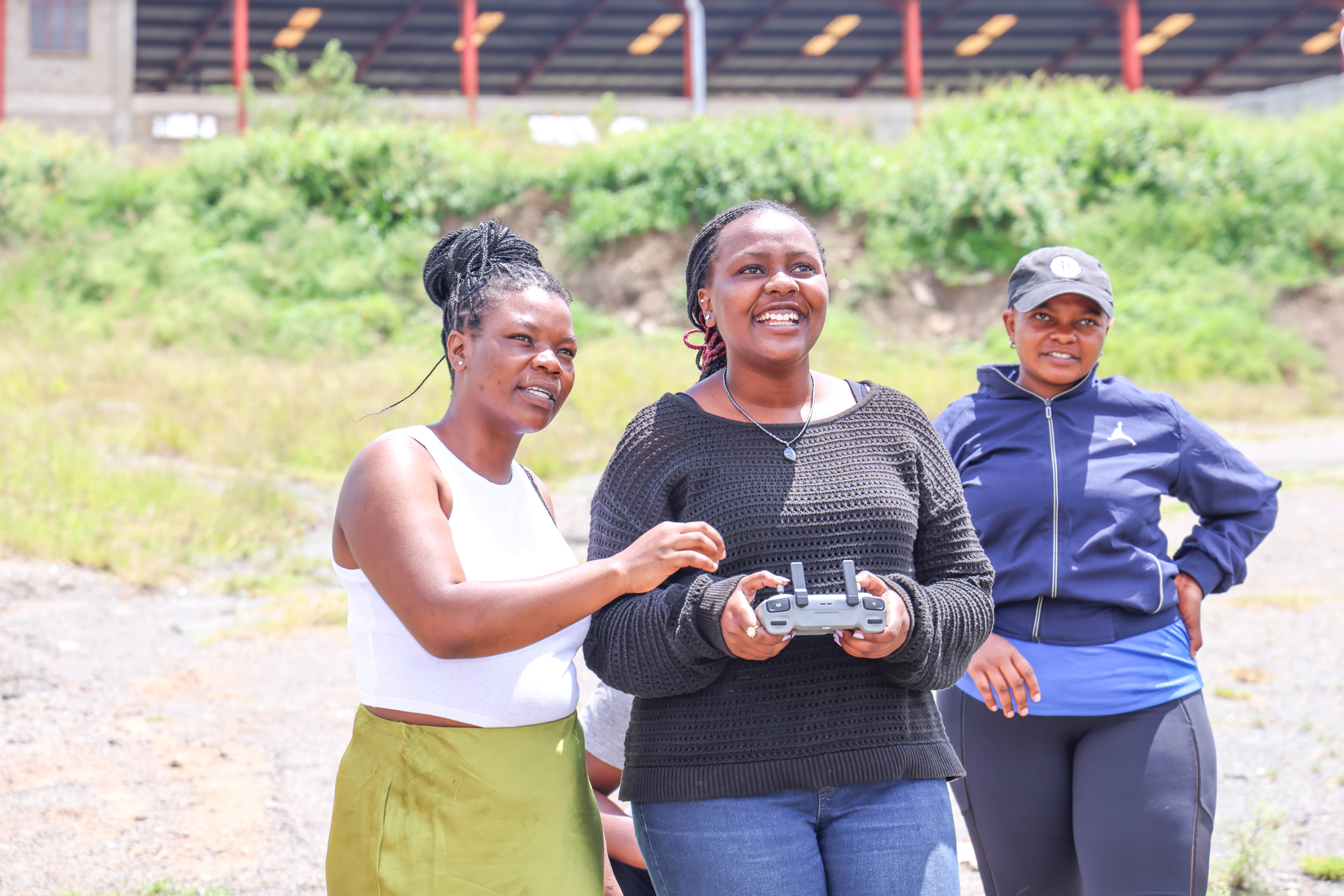
What happens when young people map their own communities? In Mathare, it means more than better data, it means new skills, new confidence, and new pathways into work. This story traces how community-led data is evolving into a tool not just for advocacy, but for livelihoods.

In this piece, Jacob Omondi, Jackline Waithaka, and Jane Wairutu discuss the profound impact of COVID-19 on youth in informal settlements like Mathare, Nairobi. The pandemic has exacerbated job losses and financial instability, particularly affecting those in the informal economic sector, where many young people rely on daily earnings from their businesses.

In Loitoktok, Kajiado County, a women’s group is transforming lives through resilience and innovation. With support from the Next Level Grant Facility under Voices for Just Climate Action, they’ve expanded urban farming and beekeeping, proving the power of collective action in climate adaptation and economic empowerment.
Join our newsletter to stay up to date on news and projects.
By subscribing you agree to our privacy policy and provide consent to receive updates from our organization.
.svg)


