
Where Change Begins
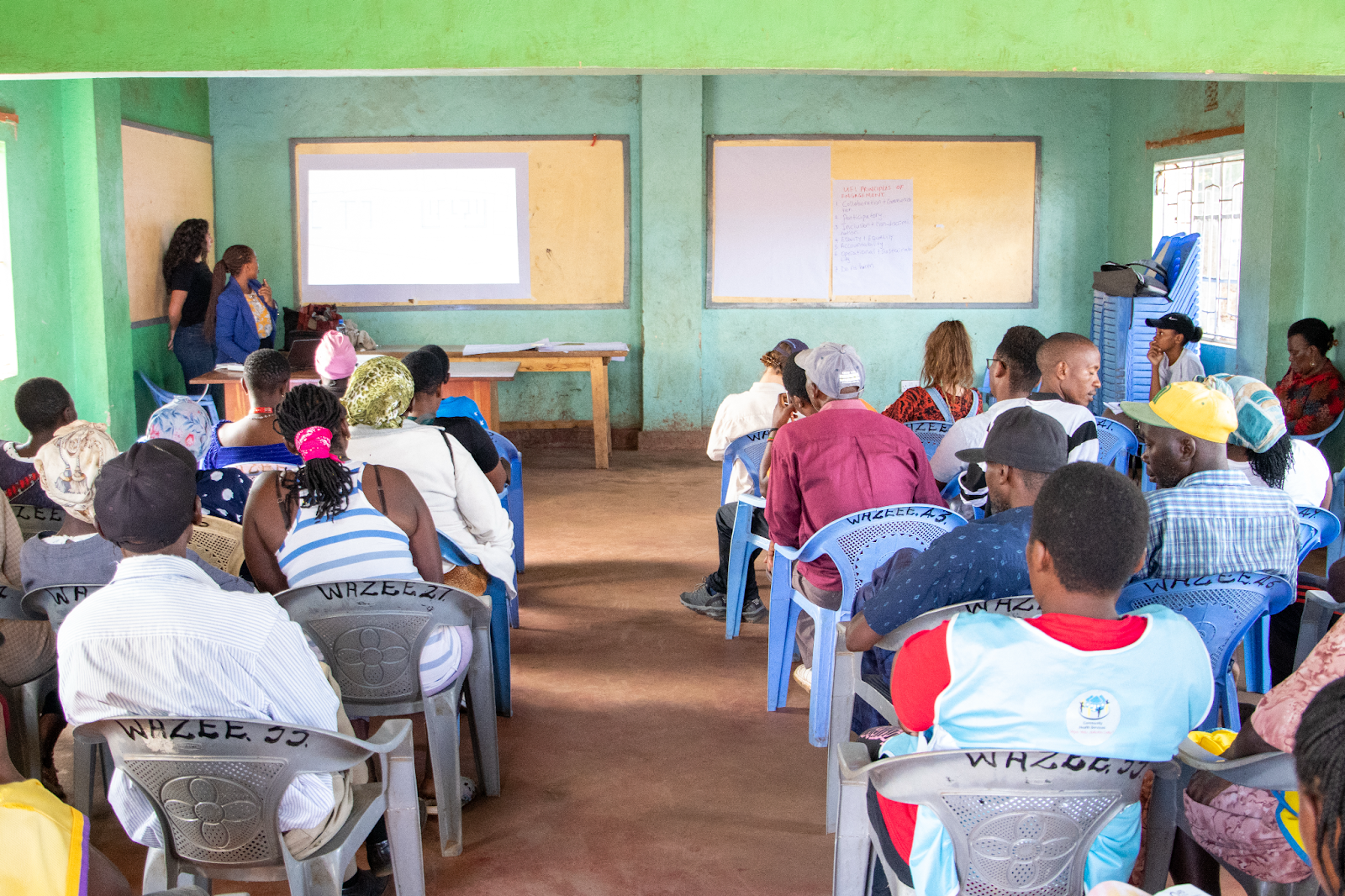
In Kahawa Soweto, a quiet transformation is underway. For years, upgrading efforts in informal settlements have often been led from the outside with little to no community input to shape the outcomes. The Urban Fabric Initiative (UFI), funded by the Agence Française de Développement (AFD), implemented in line with the requirements of KISIP under the Social and Economic Inclusion framework, and carried out in partnership with SDI Kenya, Kounkuey Design Initiative (KDI), Akiba Mashinani Trust (AMT), county governments, and KISIP coordinators, is changing that story. By centering community conversations, co-design, and collective action, the project is bringing together community voices, technical expertise, and government support to reimagine what equitable urban development can look like.
“The UFI is here to remind us that there are social environmental aspects we need to realize for us to have a sense of belonging as a community,” Suleiman Maina, a youth from Kahawa Soweto
What makes this journey important and worth noting is that it is not just about the physical change on the ground but the process that drives it. It begins with conversations and dialogues among community members about their priorities, challenges, and what they want in their settlement. These insights evolve into designs where community members sit side by side with planners and architects to co-create practical solutions. From the designs emerge tangible shifts in how services are planned, how open spaces can be utilised, and how residents themselves take ownership of their communities' future.
The UFI in Kahawa Soweto is proving that upgrading is not only about infrastructure. It is about meaningful participation and engagement, dignity and inclusion, showing that when conversations lead to designs, and design leads to change, upgrading becomes more than a mere project. It becomes a partnership that gives decision-making back to the community.
Communities Leading the Way
What makes this journey stand out is the federation-led process of constant community engagement. Muungano groups were the entry point, working through community collectives like Kaeni Soba (reformed alcoholics) and Soweto Kongo (Community Health Promoters). Guided by SDI Kenya’s support, these groups became the anchors of the project, hosting dialogues, mobilising residents, and surfacing local priorities.
Kaeni Soba and Soweto Kongo were central because they were already running community-centred initiatives and had established spaces within the settlement where residents could gather. This made them natural entry points for the project: their existing efforts could be strengthened, scaled up, and sustained, while also creating room for new ideas to grow.
Through this bottom-up approach, concerns about safe sanitation, open spaces, livelihoods, and childcare facilities were voiced and translated into design solutions. With technical backstopping from SDI Kenya and partners, residents co-created plans combining social services with income-generating opportunities, ensuring that improvements were practical and sustainable.
With Muungano’s leadership, SDI Kenya, and other partners' support, the project moved into a series of community dialogues and open forums where residents could freely speak about their priorities. From these conversations, clear concerns emerged: the need for safe open spaces where children could play, more inclusive sanitation facilities, and local businesses to reduce dependence on services outside the settlement. Every voice counted, youth, women, men, and persons with disabilities, helping shape a shared vision for upgrading in Kahawa Soweto.
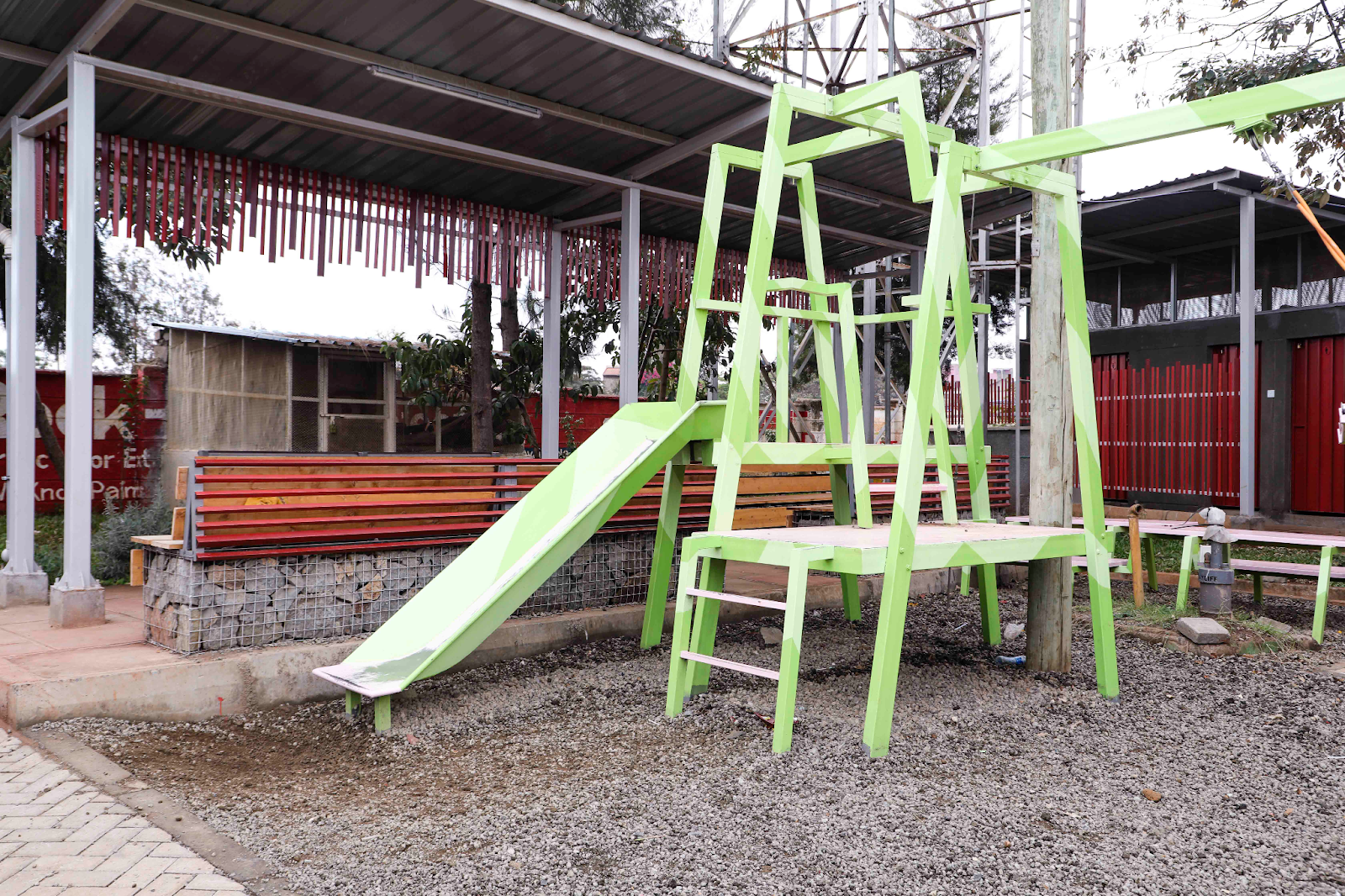
From these discussions, residents moved into the design phase, mapping out what an inclusive settlement should look like. At Kaeni Soba, the community proposed upgrading the sanitation block with disability-friendly facilities, adding a cyber café for youth jobs, a laundry service, a children’s play area, and a community hall for meetings and dialogue. At Soweto Kongo, designs reflected the needs of both residents and visitors to the nearby hospital. Community Health Promoters who serve in the hospital and within the settlement worked with young mothers and other residents to propose a mother-and-baby corner, a cafeteria, a small shop, children’s play areas, and improved sanitation, creating a safe, shared space for care, rest, and community life.
The meetings also served as an opportunity for the wider community to see how they could actively participate in shaping the design of their settlement. Beyond physical plans, the UFI strongly emphasised building the capacity of community members and groups to manage and sustain the projects once implemented. Members of Kaeni Soba, Soweto Kongo, and other local groups were selected to undergo business training sessions designed to strengthen their skills in managing and running enterprises within the settlement. These trainings helped participants think through issues such as financial management, customer service, and sustainability, ensuring that the facilities envisioned in the designs, from cyber cafés to cafeterias, would not only be built but also thrive under community management.
From Paper to Reality
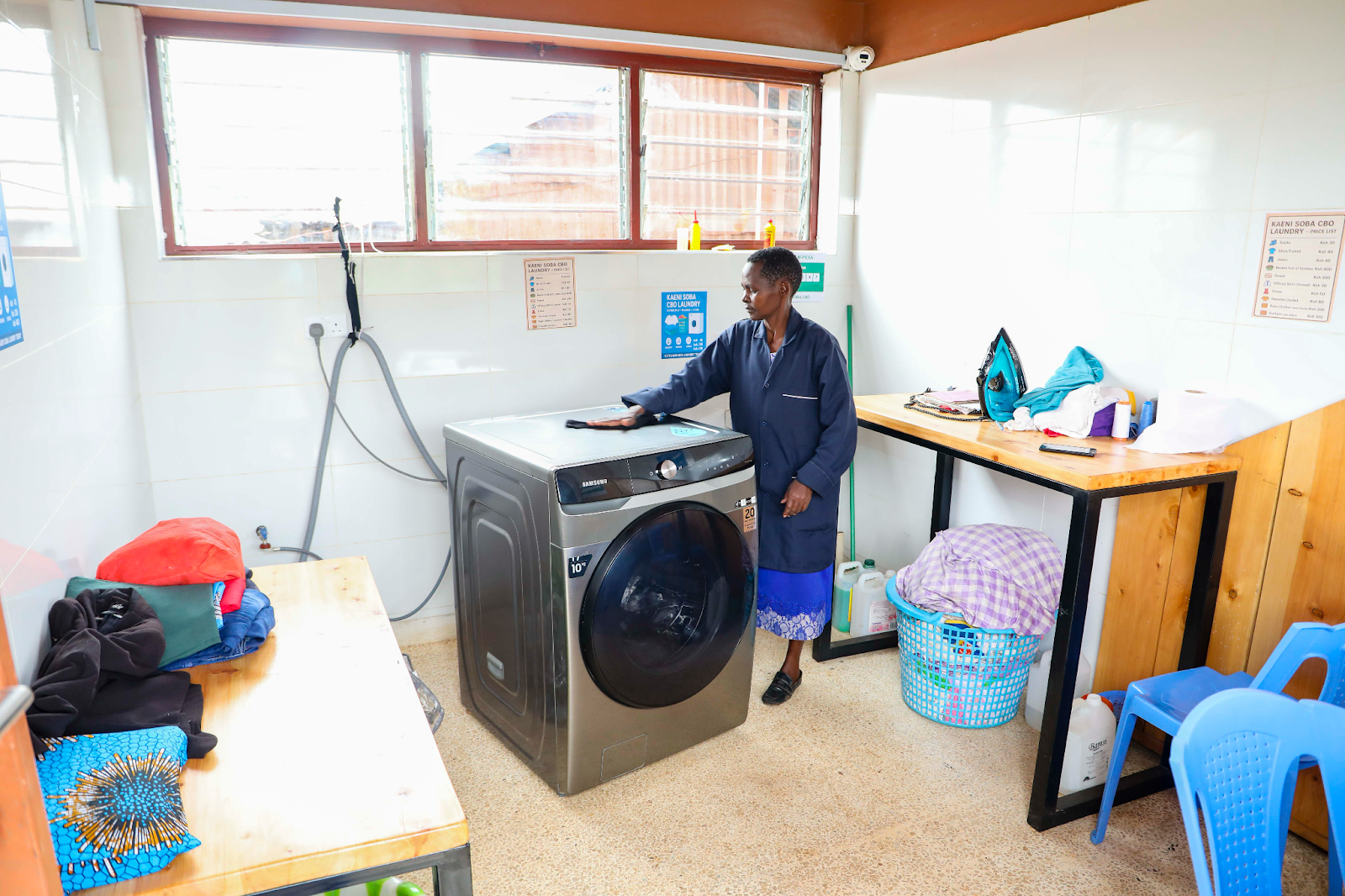
Construction turned ideas on paper into reality and deepened community participation. Residents worked alongside contractors, gaining skills in construction and organization while ensuring the project was not delivered to them but built with them. This hands-on process reinforced ownership and pride in the new spaces taking shape.
The UFI in Kahawa Soweto shows that upgrading is not just about new infrastructure, but about people, participation, and possibilities. From the first conversations to design workshops and construction, residents have been at the centre every step of the way. Children now have safer places to play, women and youth have opportunities for work and entrepreneurship, and families have access to facilities that respond directly to their needs.
And yet, none of this would have been possible without Muungano’s organizing. Were it not for years of federation building and the trust Muungano has earned in informal settlements, these community-led solutions could not have taken root. The story of Kahawa Soweto proves that when communities organize and lead, transformation is not only possible but also sustainable.


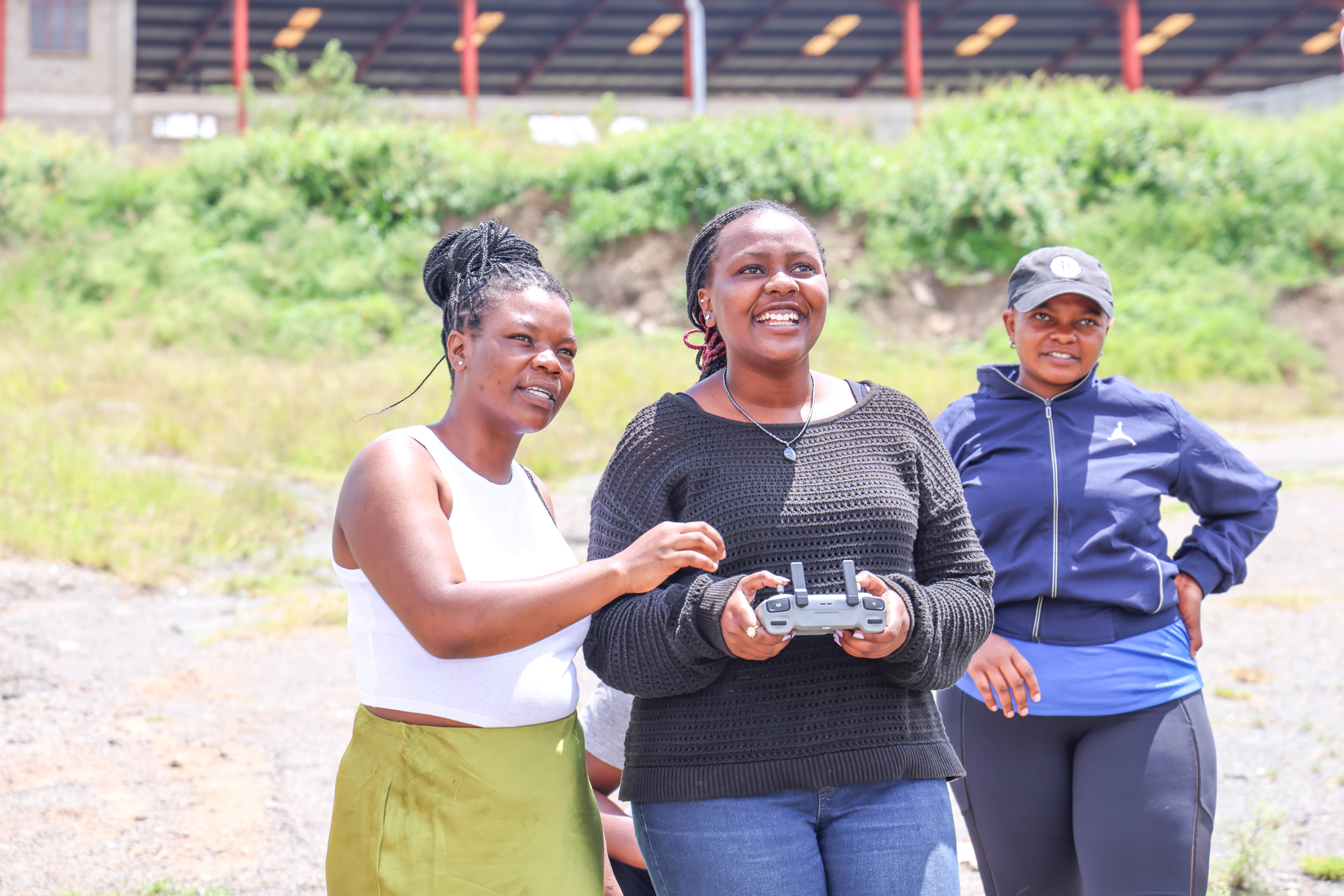
What happens when young people map their own communities? In Mathare, it means more than better data, it means new skills, new confidence, and new pathways into work. This story traces how community-led data is evolving into a tool not just for advocacy, but for livelihoods.

In this piece, Jacob Omondi, Jackline Waithaka, and Jane Wairutu discuss the profound impact of COVID-19 on youth in informal settlements like Mathare, Nairobi. The pandemic has exacerbated job losses and financial instability, particularly affecting those in the informal economic sector, where many young people rely on daily earnings from their businesses.

In Loitoktok, Kajiado County, a women’s group is transforming lives through resilience and innovation. With support from the Next Level Grant Facility under Voices for Just Climate Action, they’ve expanded urban farming and beekeeping, proving the power of collective action in climate adaptation and economic empowerment.
Join our newsletter to stay up to date on news and projects.
By subscribing you agree to our privacy policy and provide consent to receive updates from our organization.
.svg)


