
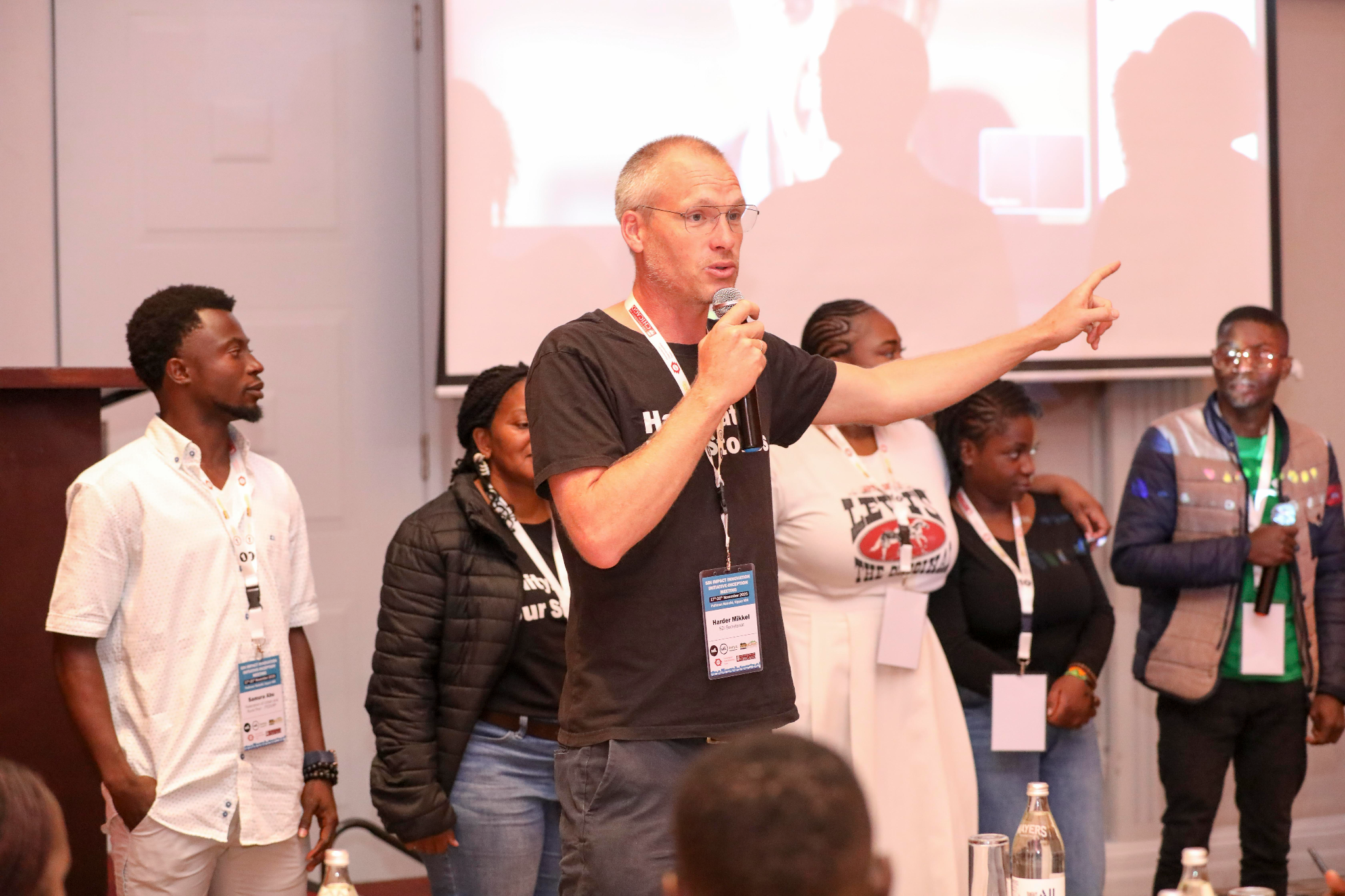
Shack Dwellers International and Muungano wa Wanavijiji was delighted to host youth leaders and partners from across Africa for the SDI Impact Innovation Initiative Inception Meeting, marking the beginning of a bold journey to strengthen youth leadership, innovation, and community-driven development in informal settlements.
Held in Nairobi from 17–20 November 2025, the meeting brought together youth representatives from Slum Dwellers International federation affiliates in seven African cities: Tamale (Ghana), Nairobi (Kenya), Blantyre (Malawi), Dakar (Senegal), Freetown (Sierra Leone), Jinja (Uganda), and Kafue (Zambia). Over several days, participants came together to deepen their understanding of the initiative, build relationships, and reaffirm a shared commitment to transforming informal settlements through youth-led knowledge and action.
Across the continent, millions of young people live in informal settlements where opportunities for dignified work remain limited despite their creativity, resilience, and ambition. At the same time, these communities hold immense knowledge about the challenges they face and the solutions that could transform them. Yet too often, development interventions overlook this local expertise.
The SDI Impact Innovation Initiative, funded by the Mastercard Foundation, seeks to change this narrative by addressing one of the most pressing challenges facing African cities: poverty and limited livelihood opportunities for young people living in informal settlements. The initiative aims to alleviate poverty for young people, especially young women, and their communities by equipping youth with the skills, tools, and platforms needed to generate knowledge, influence decision-making, and drive locally grounded solutions. Through this approach, young people are positioned not simply as passive beneficiaries of development programs, but as knowledge producers, innovators, and agents of change capable of shaping the future of their communities.
Global projections show that by 2035 more young Africans will enter the workforce each year than in the rest of the world combined, highlighting both the immense opportunity and the urgency of equipping youth with the knowledge and skills needed to shape Africa’s future.
This vision aligns with global development priorities. The United Nations recognises young people as “agents of change, mobilizing to advance the Sustainable Development Goals and improve the lives of people and the health of the planet.” Investing in youth skills and leadership is therefore essential for building inclusive and sustainable societies.
At the heart of the initiative is a simple but powerful idea: knowledge and skills are the currency of the 21st century. When young people are equipped with the right tools, they can generate the evidence, ideas, and innovations needed to transform their communities.
Through the programme, 150–200 young people in each participating city will be trained to collect and analyse community data, tell powerful stories about their realities, and develop solutions to pressing urban challenges. These young leaders will gain real-world skills relevant to the knowledge economy, including geospatial mapping, media literacy, digital content creation, leadership, and market analysis.
“If there is one thing we need to ensure we achieve from this project, then it must be ensuring that youth can get skills, ensuring that the young people who are engaged in this project have capacity.” SDI’s Mikkel Harder
Beyond skills development, the initiative also presents an important opportunity to strengthen the next generation of leadership within Muungano wa Wanavijiji and the broader SDI network. For decades, the movement has demonstrated the power of organised communities in advocating for secure land tenure, adequate housing, and access to essential services such as water, sanitation, and infrastructure in informal settlements. The initiative will help build a second tier of leaders who will carry forward this legacy of community organising, data-driven advocacy, and collective action.
This initiative aims to unlock new pathways for employment, entrepreneurship, and community-led innovation, by strengthening these capacities

The inception meeting provided an important foundation for this work. Through interactive sessions, presentations, and collaborative exercises, youth participants explored the initiative’s vision and implementation strategy. A panel discussion and group dialogues encouraged participants to reflect on how community-generated data and lived experiences can influence policies, strengthen advocacy, and drive meaningful change in informal settlements.
The meeting also emphasised the importance of learning and collaboration across cities. Participants exchanged experiences and explored how successful approaches can be adapted to different contexts while responding to local challenges.
A field visit to Kibera further reinforced this spirit of learning exchange. Youth delegates visited three inspiring Muungano youth-led initiatives, Slum Going Green & Clean, Foundation of Hope (Arts), and Community Mappers, whose work demonstrates the power of community-driven innovation in areas such as waste management, arts for climate action, and data-driven advocacy.
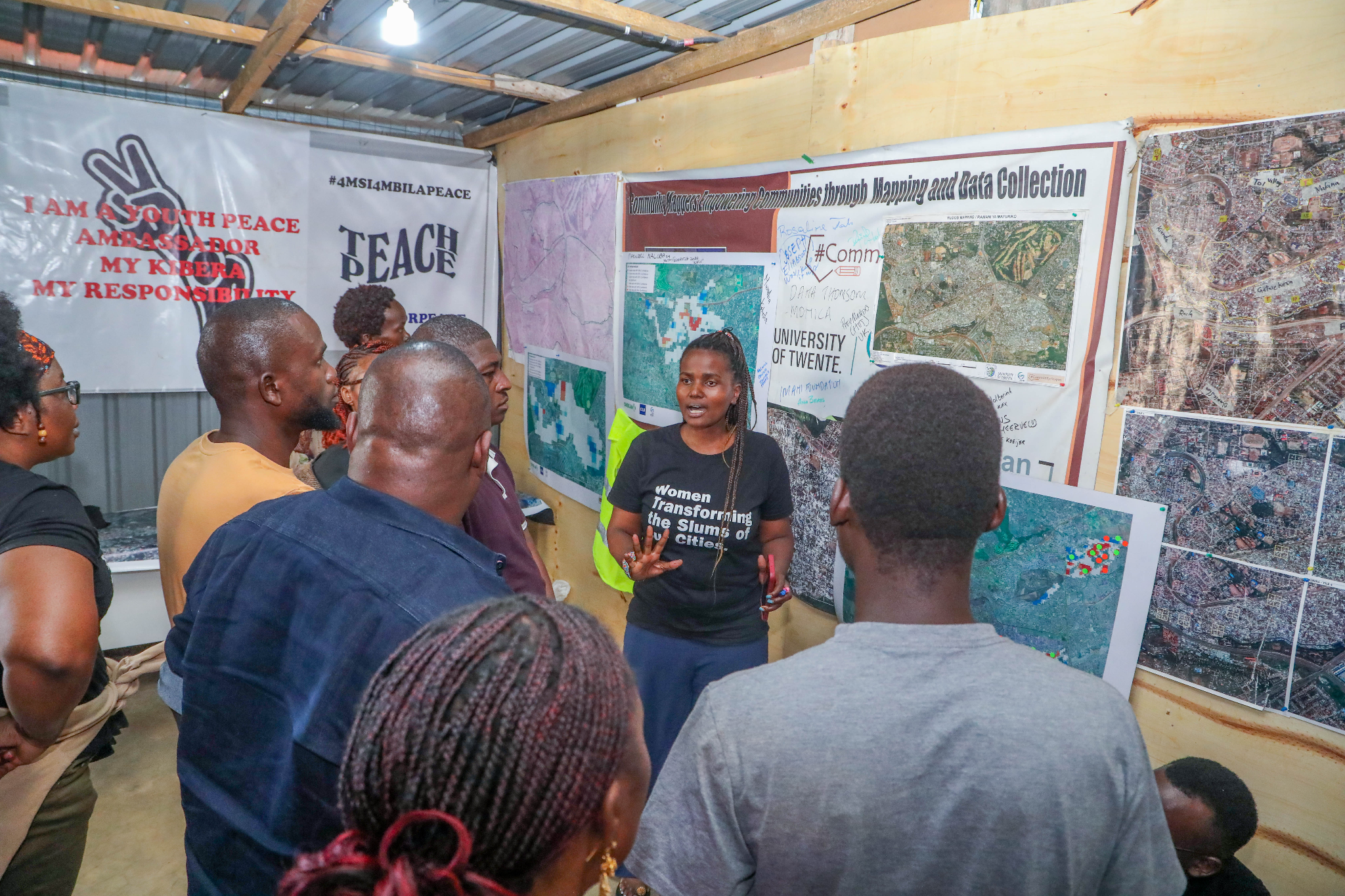
These interactions illustrated a core principle of the initiative: meaningful solutions often emerge from within communities themselves.
Ultimately, the success of the initiative will be measured by its ability to do four things: equip youth with the skills to generate evidence about their communities, use that evidence to co-create solutions with local stakeholders, unlock employment and entrepreneurship opportunities, and strengthen more effective approaches to addressing urban poverty.
The initiative seeks to reshape narratives around informal settlements, highlighting them not as spaces of despair, but as sites of innovation, resilience, and possibility, by making the struggles and solutions of young people in marginalized communities visible, the
As the delegates returned to their cities, they carried with them not only new tools and insights, but also a shared responsibility: to ensure that young people are at the centre of shaping Africa’s urban future.
Because when youth are equipped with knowledge, skills, and opportunity, they do more than transform their own lives, they transform their communities.


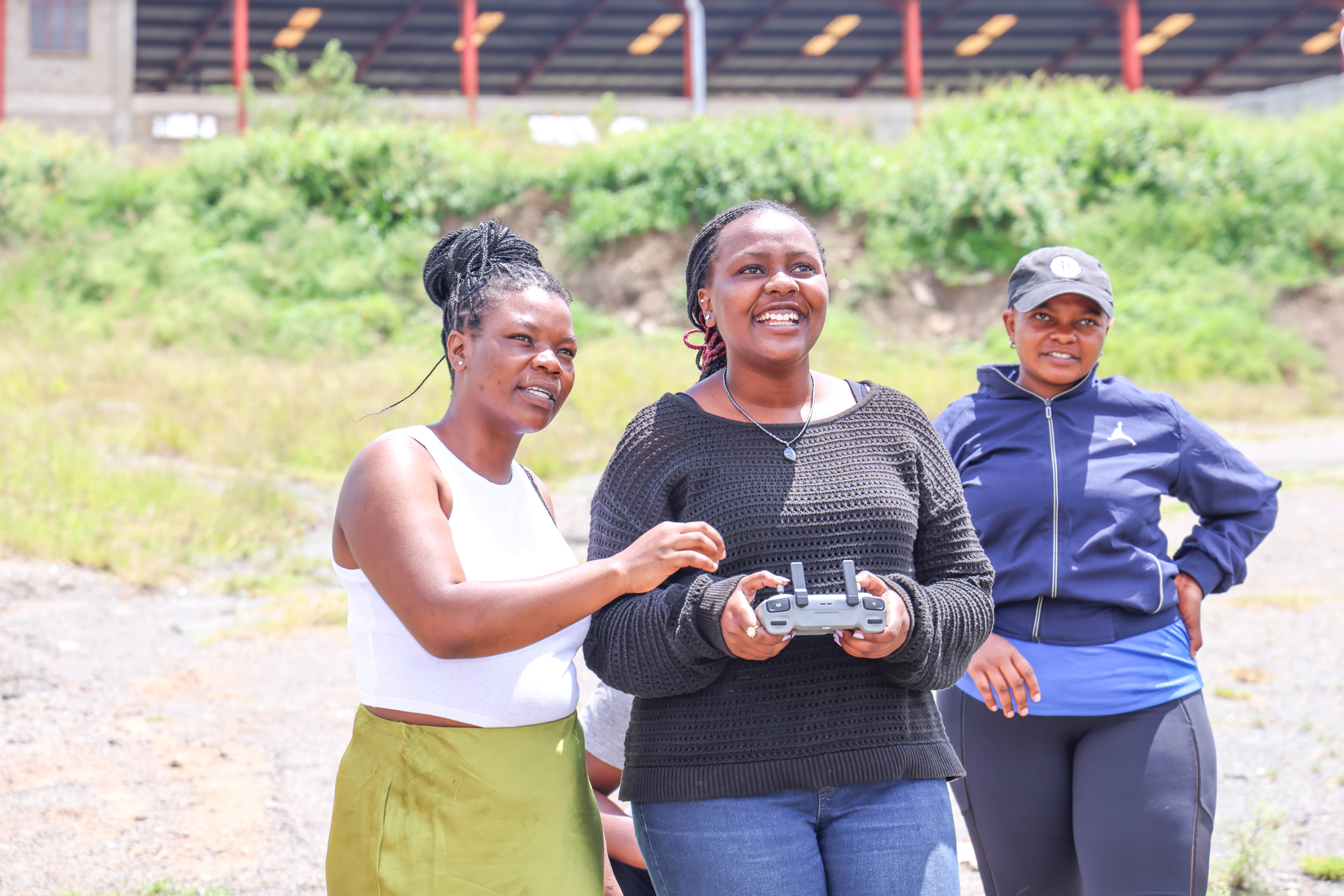
What happens when young people map their own communities? In Mathare, it means more than better data, it means new skills, new confidence, and new pathways into work. This story traces how community-led data is evolving into a tool not just for advocacy, but for livelihoods.

In this piece, Jacob Omondi, Jackline Waithaka, and Jane Wairutu discuss the profound impact of COVID-19 on youth in informal settlements like Mathare, Nairobi. The pandemic has exacerbated job losses and financial instability, particularly affecting those in the informal economic sector, where many young people rely on daily earnings from their businesses.

In Loitoktok, Kajiado County, a women’s group is transforming lives through resilience and innovation. With support from the Next Level Grant Facility under Voices for Just Climate Action, they’ve expanded urban farming and beekeeping, proving the power of collective action in climate adaptation and economic empowerment.
Join our newsletter to stay up to date on news and projects.
By subscribing you agree to our privacy policy and provide consent to receive updates from our organization.
.svg)


