

Community mobilization and organizing have been with us since time, for thirty years we have come together as people living in the informal settlement (slum dwellers) to address our challenges.
Necessity is the mother of invention, so the proverb states. Wherever and whenever we have demand, supply becomes the puzzle to be solved. Throughout history, solutions have been discovered. On the other hand, with emerging solutions, new challenges have arisen, demanding further solutions. This article celebrates solutions that have impacted lives. It celebrates the achievements that Muungano wa Wanavijiji has realized in the last 30 years.
Muungano wa wanavijiji movement was initiated in 1996. This movement was initiated to address the gap that residents of informal settlements in Nairobi experience. That in spite of these communities being more populous in comparison with those from affluent neighborhoods, for example, most of these settlements occupy 2% of the land yet carry a little more than a third of the total population in Nairobi, for instance. The vision for the movement was of ‘inclusive cities’. In spite of informal settlements being densely populated, amenities were scarce, with basic housing and provisions like sanitation and water being insufficient for the large population residing in these neighborhoods. The movement promoted the people from such settlements to live with dignity.
Choosing to attain this vision with three approaches, Muungano was formed as a federation of more than 1000 groups from all over Kenya. It united over a million people across all informal settlements to fight for land, housing rights, and services for millions in Kenya. In 2013, women across all the informal settlements demonstrated against poor sanitation. Women demanded dignity, better sanitation, and improved living conditions in the slums, and it was in this year that the movement expanded its advocacy to more healthy cities.
Several major demonstrations were held against forced evictions
In 30 years, the movement has led policy advocacy on decent housing and sanitation, promoted land rights for marginalized communities, and advanced climate action. Notable achievements such as bringing communities together and building their capacities so they can actively participate in solving issues on housing, sanitation, and climate change resilience.

In Nairobi, slums occupy 2% of the entire land, but this is home to half of the city’s population. Slums grapple with poor urban planning, provision of quality public services, lack of and insufficient social amenities like schools, health facilities/hospitals, and sanitation and water facilities. It is with this backdrop that Muungano Wa Wanavijiji; stepped in to bridge the gaps.
It has supported groups on issues affecting their entire settlements, e.g., securing rights to the land they occupy or improving housing and delivery of services like water, sanitation, and electricity. For example, Muungano Wa Wanavijiji united members in Kambi Moto informal settlement, trained them, and they started saving and making follow-ups on their land rights. The area was plagued by fire outbreaks, with the informal dwelling structures being ravaged to the ground several times. They also grappled with poor sanitation facilities. Even access roads to the settlements were not well marked. Provision of water and sanitation was also far from smooth. Being part of Muungano Wa Wanavijiji; the members were able to transform their neighborhood and rewrite the narrative. They pooled resources and constructed modern, conducive abodes.
Working through community savings has increased the inclusion of women, youth, elders, persons with disabilities, economically marginalized groups, etc. Pockets of the population with special needs that for many years cut them off from accessing economic support to realize their needs found a hub that brought them together and united them by the common interests of their groups. These groups that would ordinarily often be excluded stumbled upon Muungano Wa Wanavijiji; and it not only solved the question of uniting them but also supported them to advocate for the missing services and resources in their communities. Their communities ended up having more social amenities such as water points and sanitation blocks, among others.
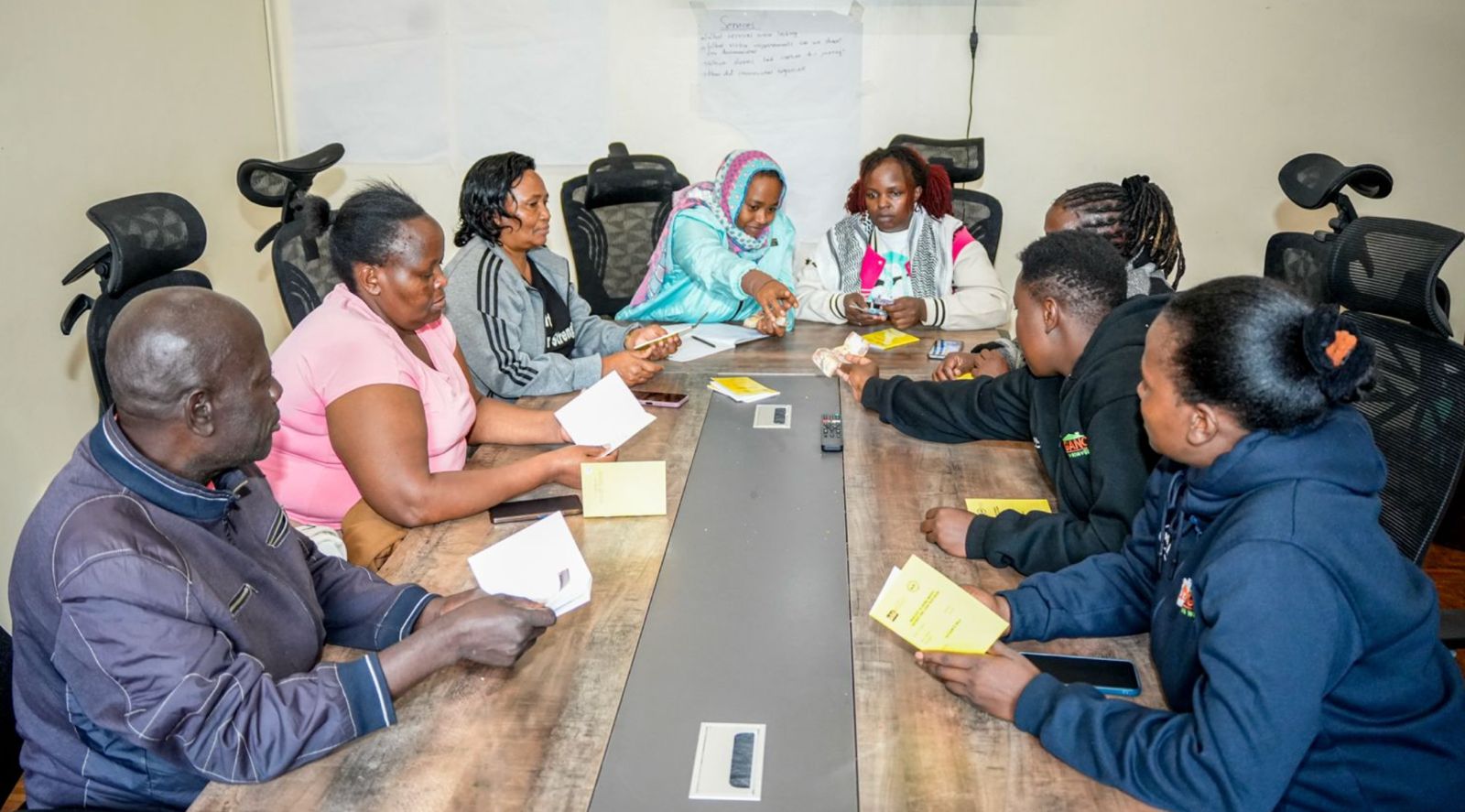
In addition, Muungano Wa Wanavijiji; was an integral part that led to Mukuru slums being declared a ‘special interest area,’ which led to the site being protected from evictions and demolitions. Prior to this, the settlement that is juxtaposed within the Industrial area of Nairobi hosted slum dwellers who lived in shanties, had inadequate access to water, sanitation, and other social amenities, and was eyed by private developers as prime land for setting up industries and other ventures. On the other hand, they had to contend with the threat of evictions. Muungano Wa Wanavijiji; not only united the communities but also enhanced their fight for safeguarding their right to the land. Consequently, the threat of evictions reduced.
Throughout the 30 years, Muungano Wa Wanavijiji; has worked with communities from informal settlements not only to address their immediate needs in housing and sanitation, but also has had a hand in creating awareness on climate change and climate action. Muungano Wa Wanavijiji; has led training for communities on climate change adaptation strategies like promoting use of clean and renewable energy (making and using briquettes), addressing effects of impacts of climate change e.g. drought and floods by planting trees and creating of community cooling centers (pocket parks and rain gardens) this has especially been done in Mathare and Mukuru along the riparian zones or Mathare and Ngong’ rivers.
In additionMuungano Wa Wanavijiji; has bridged the gap of knowledge and practice by connecting academia and practice. In its quest to address the emerging issues in the informal settlements, they have worked with communities, academia, activists, the government agencies and other stakeholders. In the 30 years lots of lessons learnt and best practices have been covered. Their website has a large data base and interviews on the journey thus far. In the current age where information is a key currency for development, Muungano Wa Wanavijiji; stands to be counted not only in data generation but also management.
In addition to this, Muungano Wa Wanavijiji;has brought the most overlooked voice from the grassroots to global platform where global discussions on safer cities and inclusive urban living are discussed. Muungano Wa Wanavijiji;has sponsored members to represent at World urban forum meetings and Climate Change Conferences. The members represent most of the overlooked voices of marginalized grass root people usually at the eye of the challenges tabled and discussed at such global stages.
Most of the delegates who make it to such meetings are ministers, ambassadors and CEOs of NGOs, while they may share the insights from their areas of jurisdictions, they mostly get their information from perusing reports, whereas, delegates from Muungano Wa Wanavijiji; share lived experiences and speak from first person interaction with the subject for discussion. This has also worked to increase exposure for the movement as a whole since the delegates who return share their knowledge and information in their groups and the federation at large.
Today Muungano Wa Wanavijiji;has development models of saving that is Urban Poor Fund and the Muungano Ujenzi Mashinani Fund (MUMfund) that empowers the federations and communities.
It is owed by the members at the grass root, this ownership keeps replenishing the resolve to keep showing up and lead from the angle of offering solutions rather than pose more queries. It has worked in different frameworks e.g. Millennium Development Goals and Sustainable Development Goals, with the accolades mentioned in passing in this article, it illustrates the flowery path of achievements three decades since inception. Failure is an orphan but success is a son of many fathers, 30 years later with a string of achievements, the success of Muungano Wa Wanavijiji deserves earnest celebrations. The federation did not only mobilize but also organized the community into sorting their pressing issues on land and housing rights and access to other social services. The longevity on its own deserves lots of fireworks as most movements hardly make it to a decade. Cheers to more as the federation keeps soaring and unraveling fresh horizons.


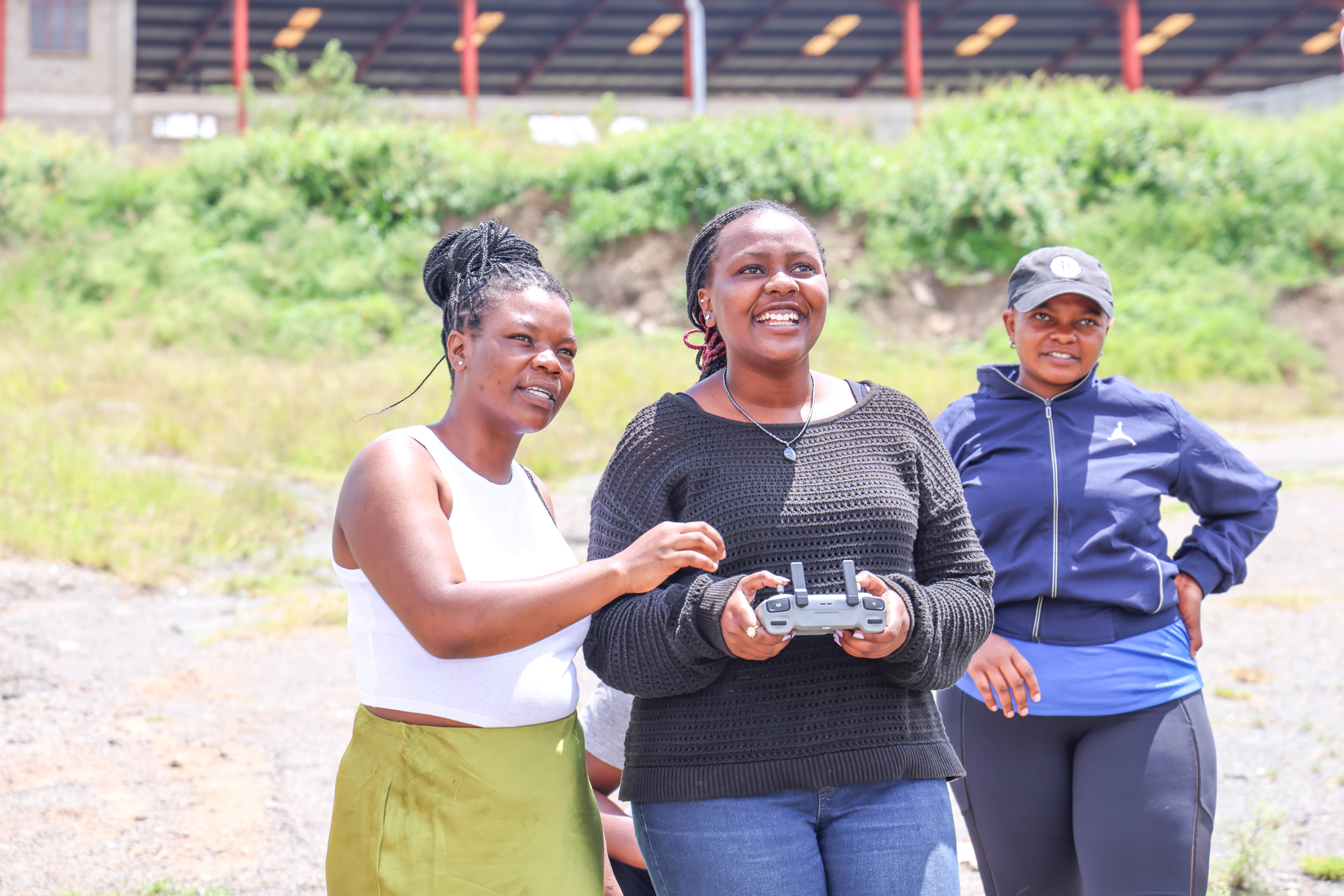
What happens when young people map their own communities? In Mathare, it means more than better data, it means new skills, new confidence, and new pathways into work. This story traces how community-led data is evolving into a tool not just for advocacy, but for livelihoods.

In this piece, Jacob Omondi, Jackline Waithaka, and Jane Wairutu discuss the profound impact of COVID-19 on youth in informal settlements like Mathare, Nairobi. The pandemic has exacerbated job losses and financial instability, particularly affecting those in the informal economic sector, where many young people rely on daily earnings from their businesses.

In Loitoktok, Kajiado County, a women’s group is transforming lives through resilience and innovation. With support from the Next Level Grant Facility under Voices for Just Climate Action, they’ve expanded urban farming and beekeeping, proving the power of collective action in climate adaptation and economic empowerment.
Join our newsletter to stay up to date on news and projects.
By subscribing you agree to our privacy policy and provide consent to receive updates from our organization.
.svg)


