

For many years, informal settlements such as Mathare have often been portrayed through a narrow lens. Media coverage frequently focuses on crime, violence, poverty, and unrest, while overlooking the rich culture, resilience, innovation, and sense of community that define everyday life. Young people living in these communities are often portrayed as perpetrators of social problems rather than as leaders and agents of change.
The SDI Impact Innovation Initiative seeks to challenge these narratives by equipping young people with the skills and confidence to tell their own stories in authentic, dignified, and impactful ways. As one youth participant reflected, "People view our homes as slums, but to us they are really just homes. There is so much love here."
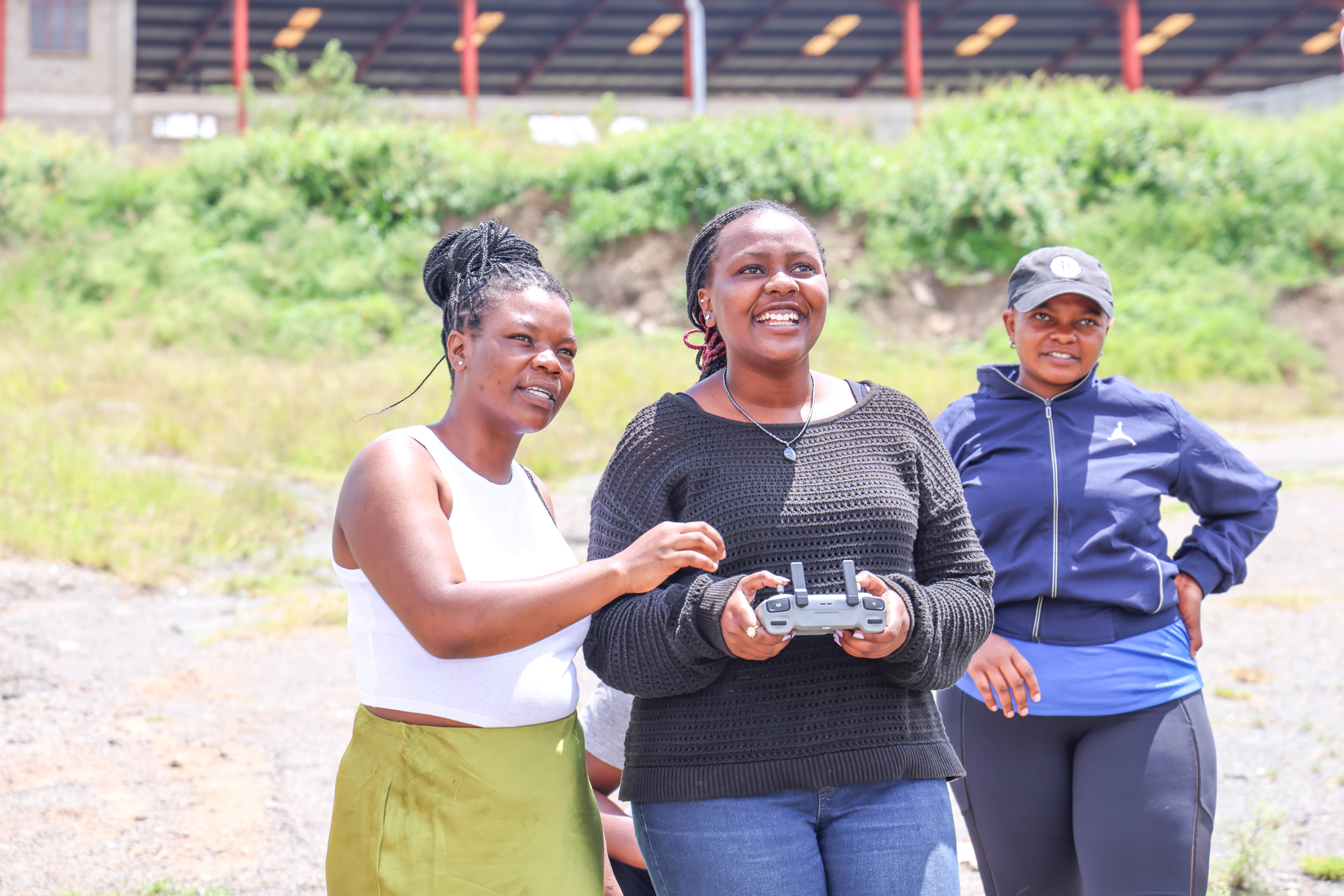
During the quarter, SDI Kenya conducted an intensive three-day media training for 37 youth from Mathare Valley. Delivered in two cohorts to allow for deeper engagement and mentorship, the training focused on writing, photography, facilitation, and public speaking. Experienced media professionals, including award-winning journalist Dan Kaburu, supported the sessions by sharing practical skills in storytelling, ethical reporting, and community-centered narratives.
Before the training, many participants had never facilitated a discussion, produced media content, or publicly shared stories about their communities. By the end of the programme, youth were confidently leading focus group discussions, documenting community realities, and preparing to communicate profiling findings to communities and decision-makers.

The impact of the training was evident almost immediately. Six youth participants who completed the training went on to co-facilitate focus group discussions under the project, working alongside federation leaders and SDI Kenya staff. This marked an important shift from being participants in research processes to actively leading them.
One participant shared, "Now I feel confident enough to write about my community. Since I come from here, I understand it better and can present it in a dignified way."
The impact of the training was evident almost immediately. Six youth participants who completed the training went on to co-facilitate focus group discussions under the project, working alongside federation leaders and SDI Kenya staff. This marked an important shift from being participants in research processes to actively leading them.
The training is also laying the foundation for the next phase of the SDI Impact Innovation Initiative. Prior to the media training, youth participants had already been equipped with skills in data collection, geospatial mapping, and GIS, and had gone on to collect community-generated data across Mathare. As the project progresses, they will play a central role in analyzing this data and communicating the findings back to communities and key stakeholders in ways that are accessible, relevant, and action-oriented.

As one participant explained, "We will now be able to share the insights that we get from the data collected from the community. We are better placed to communicate the information in ways that people will understand."
These communication and facilitation skills complement the technical capacities that the youth have already acquired. Together, they position young people not only as data collectors but as knowledge brokers and agents of change capable of transforming evidence into action. In the next phase of the project, youth will use evidence generated through profiling, mapping, and community engagement to identify and prioritize two key sectors that affect livelihoods and well-being in Mathare. They will then engage communities, local leaders, and other stakeholders in discussions aimed at co-creating practical, evidence-based solutions.
Reflecting on this responsibility, one youth participant noted, "At the end of the day, it is our responsibility to meet with key stakeholders and co-create solutions for the challenges affecting our community."
The initiative ensures that young people are not only producing data but also equipped to influence decisions, shape development priorities, and drive community-led change.
Beyond strengthening community voice and representation, the training also introduced young people to skills that can create opportunities within the growing knowledge economy. Through continued mentorship and practical application, participants are developing competencies in communication, storytelling, facilitation, and media production that may open pathways to employment, entrepreneurship, and leadership.
The experience demonstrates that when young people are trusted with the tools to document their realities, they do more than tell stories; they reshape narratives, strengthen community voice, and become champions of change within their own communities.


What happens when young people map their own communities? In Mathare, it means more than better data, it means new skills, new confidence, and new pathways into work. This story traces how community-led data is evolving into a tool not just for advocacy, but for livelihoods.

In this piece, Jacob Omondi, Jackline Waithaka, and Jane Wairutu discuss the profound impact of COVID-19 on youth in informal settlements like Mathare, Nairobi. The pandemic has exacerbated job losses and financial instability, particularly affecting those in the informal economic sector, where many young people rely on daily earnings from their businesses.

In Loitoktok, Kajiado County, a women’s group is transforming lives through resilience and innovation. With support from the Next Level Grant Facility under Voices for Just Climate Action, they’ve expanded urban farming and beekeeping, proving the power of collective action in climate adaptation and economic empowerment.
Join our newsletter to stay up to date on news and projects.
By subscribing you agree to our privacy policy and provide consent to receive updates from our organization.
.svg)


